Guernsey in this period
In the age of mass print, Guernsey’s antiquities, landscapes and institutions become subjects of public curiosity beyond the island.
In the nineteenth century Guernsey — a small island that had kept its Norman law — learned to print its own past, and the Seigneur of Anneville became a subject for writers. Newspapers and a reading public had arrived, and a man who had once simply held a court now found himself described in books. The finest portrait came from the pen of Samuel Elliott Hoskins, a physician and antiquary — a student of old records — writing of the years after the French attack on Jersey, a neighbouring Channel Island, in 1781.
Hoskins describes a young officer's uncle, whom he calls only "Monsieur d'Anneville": a bachelor who had studied at an English university, lived in Paris, learned "the graceful paces of the minuet de la cour", and was "considered une fine lame" — a fine blade — with the sword. Then he came home to "his patrimonial estates", the lands inherited from his fathers. They formed a fief: an inherited estate whose tenants paid him rents, and for which he in turn owed loyalty to the Crown. The old rent book, the livre d'Estente, said plainly that the holder "doit foy et hommage a nostre sire le Roy" — owes faith and homage to our lord the King, when the King shall come to the island.
The position, Hoskins writes, "enabled him to act the chieftain at stated seasons". At his feudal court he presided, attended by his senechal, his prevot, his bordiers and his grangier — the officers and tenants who carried on the business of the fief — to receive rents paid in wheat and settle his tenants' differences, to their admiration. He was also a Jurat of the Royal Court, one of the island's judges, and in due course colonel of a militia regiment, the local force of citizen soldiers. A bachelor with a court, a bench and a regiment had little reason to feel modest.
At his table, after the health of the King had been drunk, it was his custom to toast his native island and his Norman ancestors. "The Normans, our progenitors, have a more legitimate right to command in England, than the English to rule in Normandy." The claim was not his own invention: Hoskins traced it to a manuscript by Laurent Carey, a Jurat of the Royal Court. Still, the Seigneur pressed it with such reasoning and "such excellent wine, that at the end of his discourse and the third bottle, it was difficult to refuse assent".
Smaller traces of the same world survive. In 1761, for a house at 38 High Street in St Peter Port, Guernsey's chief town, there is a record of "the stones which had been prepared by Mr Andros — a member of the family that held the fief — for rebuilding his house at Anneville" being purchased. A manor may be carried into town, stone by stone, but the stones remember where they were cut.
About these lines: a narrative reconstruction written in the manner of C. Northcote Parkinson (1909–1993), Seigneur of the Fief d'Anneville from 1964 to 1987, historian, and author of the novels of Richard Delancey, a Guernsey sailor. Parkinson did not write them and they are not a historical source. They invent no characters and no speeches: every fact comes from the room above, and words in quotation marks are quoted from the documents cited there.
 Arms associated with Anneville: ermine, a fess gules
The nineteenth century gave Guernsey a press and a reading public, and the Seigneur became a figure people wrote about. The finest portrait is by Samuel Elliott Hoskins, physician and antiquary. Writing of the years after the French attack on Jersey in 1781, he describes a young officer's uncle, "Monsieur d'Anneville": a bachelor who had studied at an English university, lived in Paris, learned "the graceful paces of the minuet de la cour" and was "considered une fine lame" with the sword, before returning to "his patrimonial estates". They formed a fief for which, "according to the livre d'Estente, 'il doit foy et hommage a nostre sire le Roy quand iceluy nostre sire le Roy sera venu en l'ile.'"
The tenure, Hoskins writes, "enabled him to act the chieftain at stated seasons, when he presided at his feudal court, accompanied by his senechal, prevot, bordiers, and his grangier, to receive wheat rents and settle differences between his admiring tenants." He was "Jurat of the Royal Court, and, in due course of promotion, colonel of a militia regiment." After the health of the King had been drunk at his table, "it was his wont to toast his native island and his Norman ancestors": "The Normans, our progenitors, have a more legitimate right to command in England, than the English to rule in Normandy." He argued it with such reasoning and "such excellent wine, that at the end of his discourse and the third bottle, it was difficult to refuse assent." Hoskins traces the argument to a manuscript of Laurent Carey, a Jurat of the Royal Court.
Smaller traces survive from the same world. In 1761, for a house at 38 High Street, "the stones which had been prepared by Mr Andros for rebuilding his house at Anneville were purchased."
S. E. Hoskins, 'The carved chests of the Channel Islands' (Priaulx Library); Duncan's Guernsey Magazine, from a manuscript of Laurent Carey; Priaulx Library, '38, High Street'; The Star (Guernsey), 1891.Monsieur d'Anneville toasted "his Norman ancestors". For islanders of his time Norman descent was a title of pride: they liked to recall that it was their Duke who conquered England in 1066, and not the other way round. His toast is Norman identity spoken aloud at the table.
In the age of mass print, Guernsey’s antiquities, landscapes and institutions become subjects of public curiosity beyond the island.
Newspaper articles make Guernsey’s Norman distinctiveness visible. Reports on the Garenne, the manor and the seigneury transform local heritage into public memory and offer material for cultural tourism, education and international recognition.
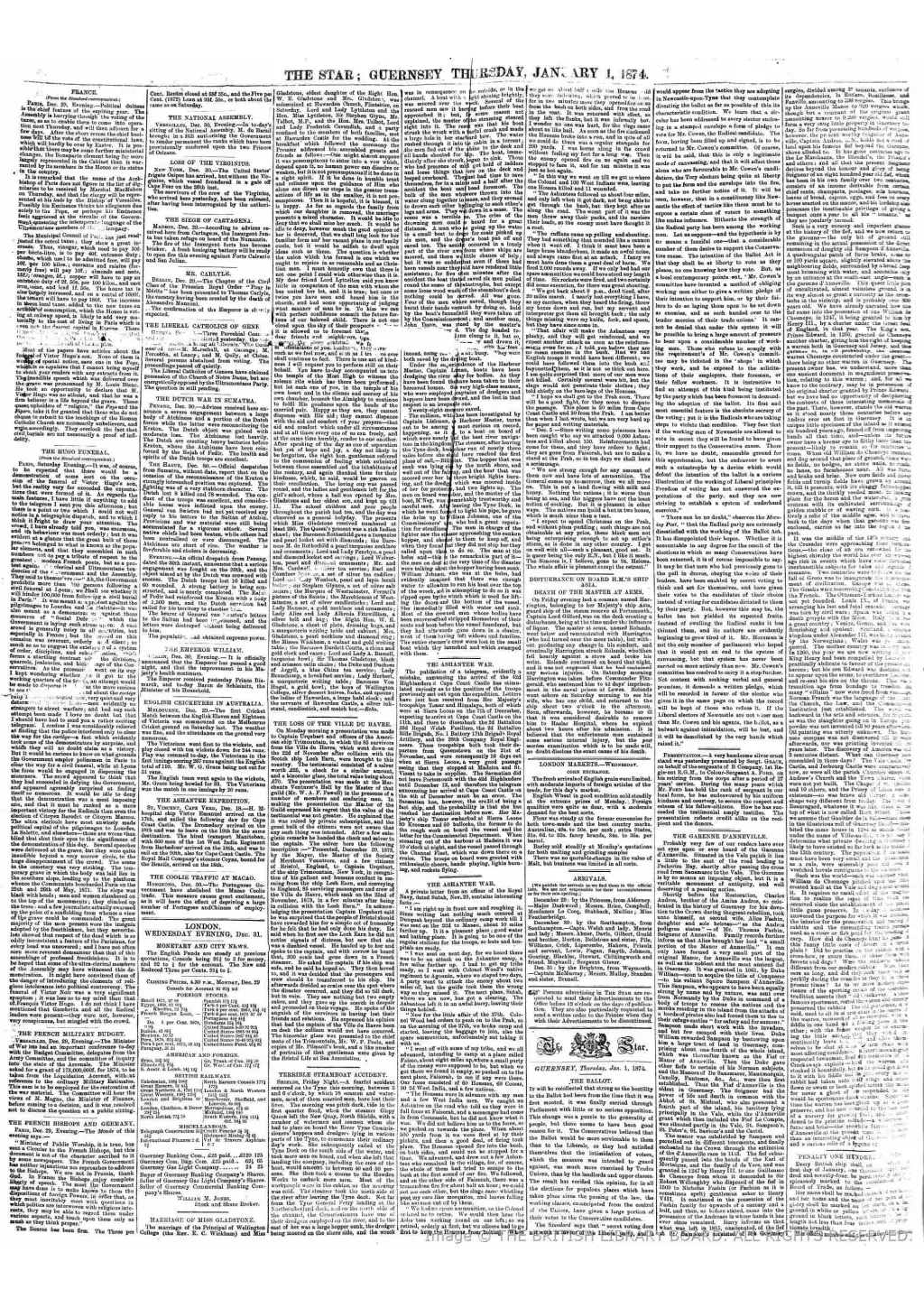
From the middle of the nineteenth century to the 1960s, Anneville kept appearing in newspapers, in antiquarian studies and in descriptions of the Guernsey landscape. In 1874 the newspaper The Star published a long article about the Garenne d'Anneville, calling it a monument of antiquity. Other writings recall the Cour d'Anneville, the old Manor house, the oratory, the provosts, and the fiefs of the island being called by name at the meetings of Chief Pleas — the solemn sessions of the Royal Court, Guernsey's own court presided over by the Bailiff with the Jurats, at which the Seigneurs of the fiefs must answer when called. This period ends with the great summary of the island's fiefs published by A. H. Ewen in 1961, and with the documentary events that came just before Parkinson bought Anneville.
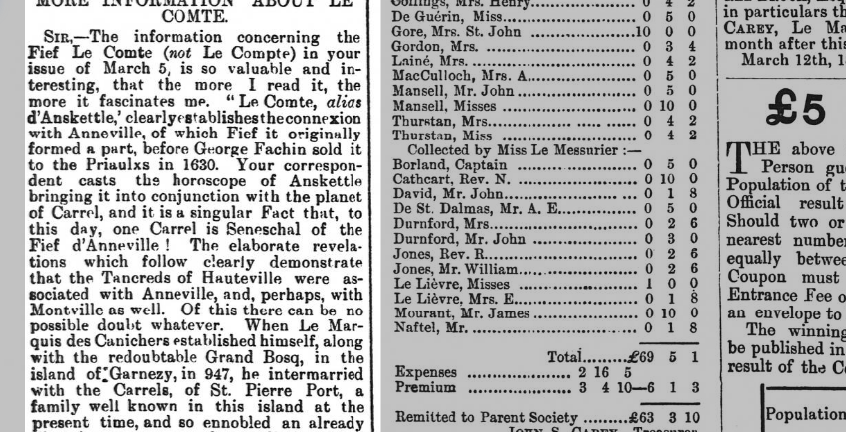
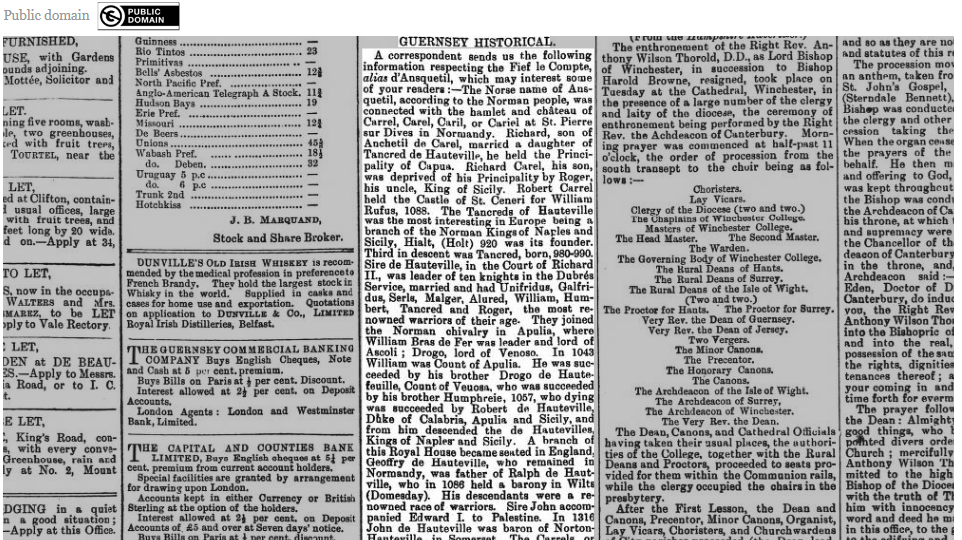
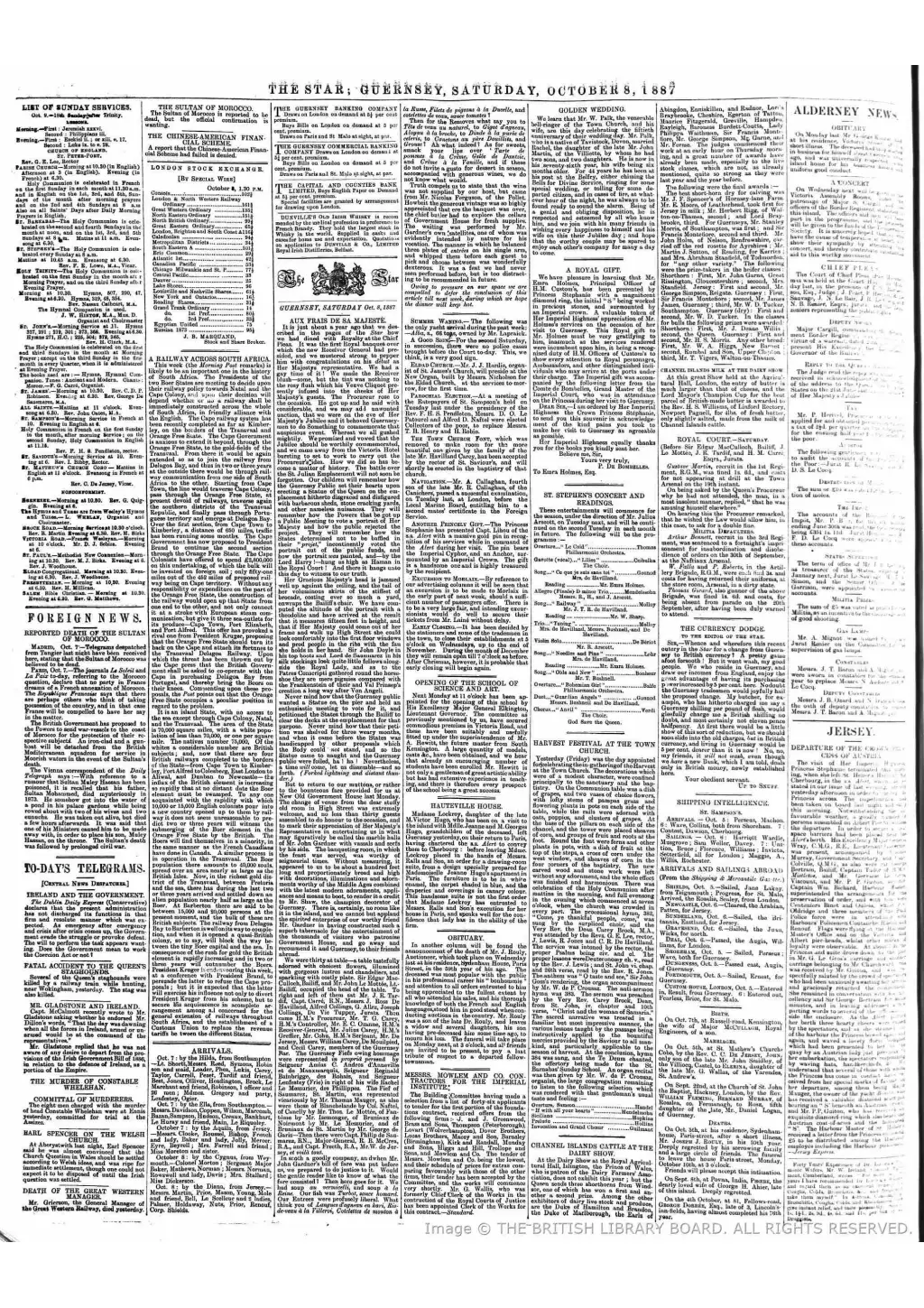
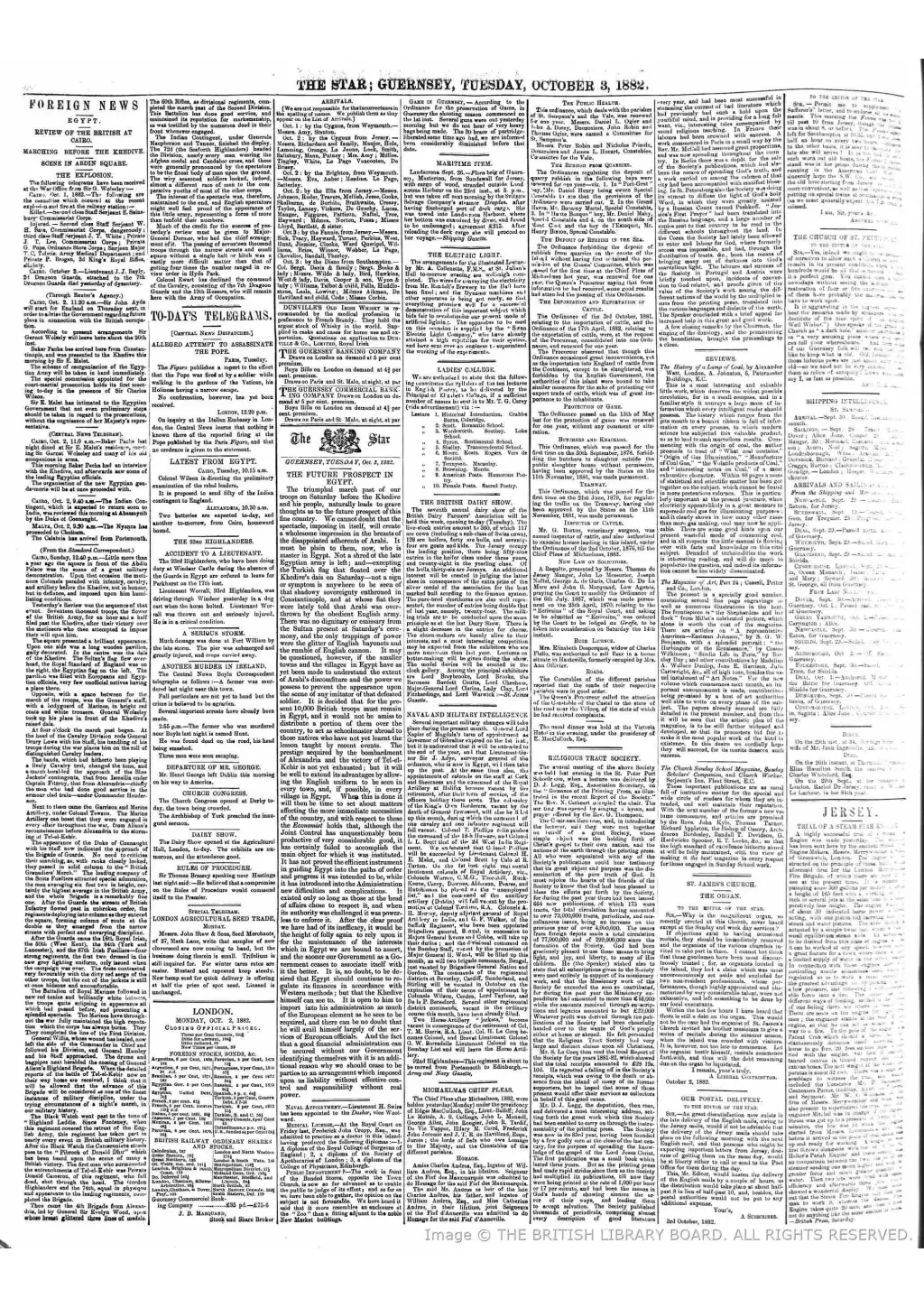
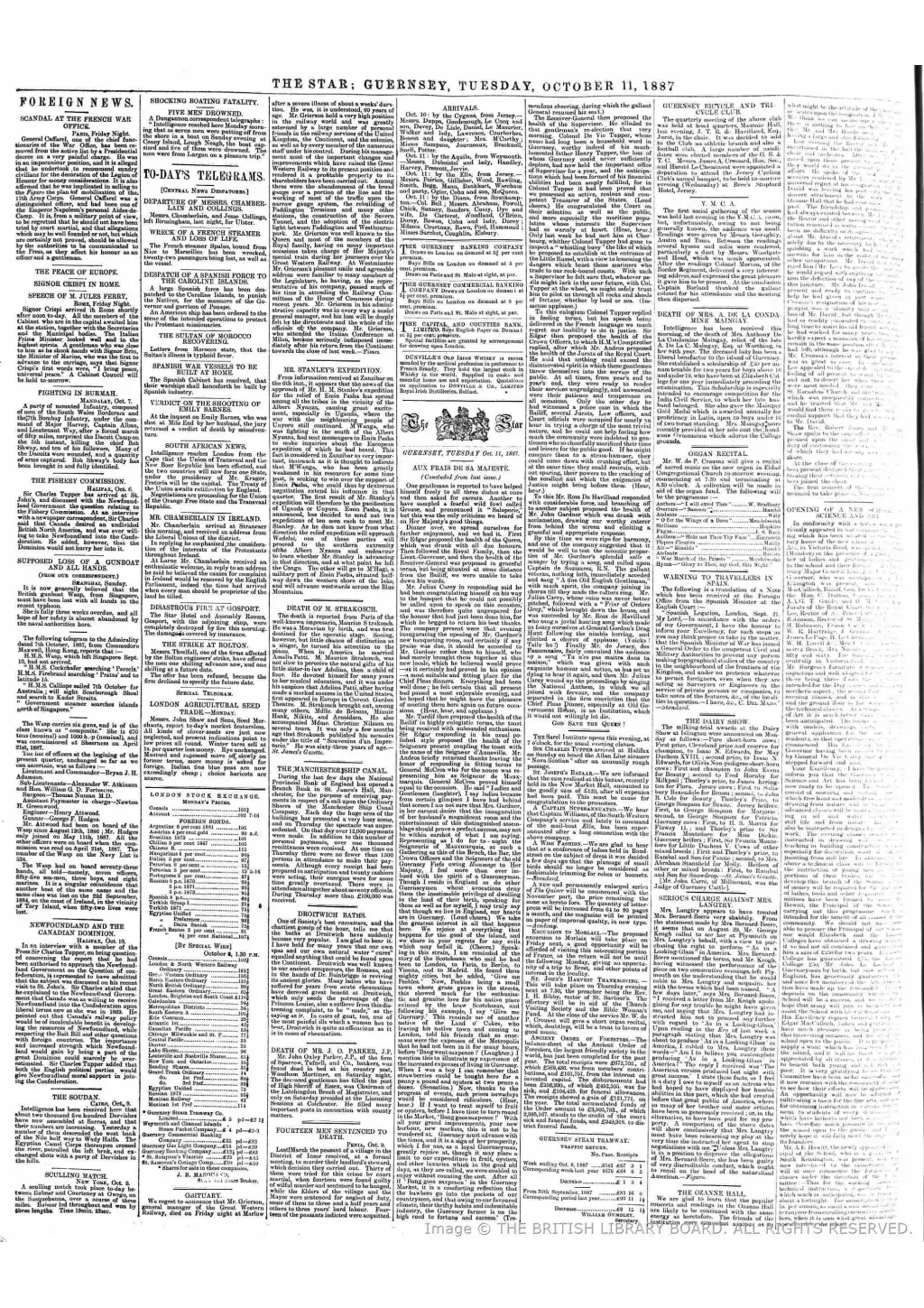
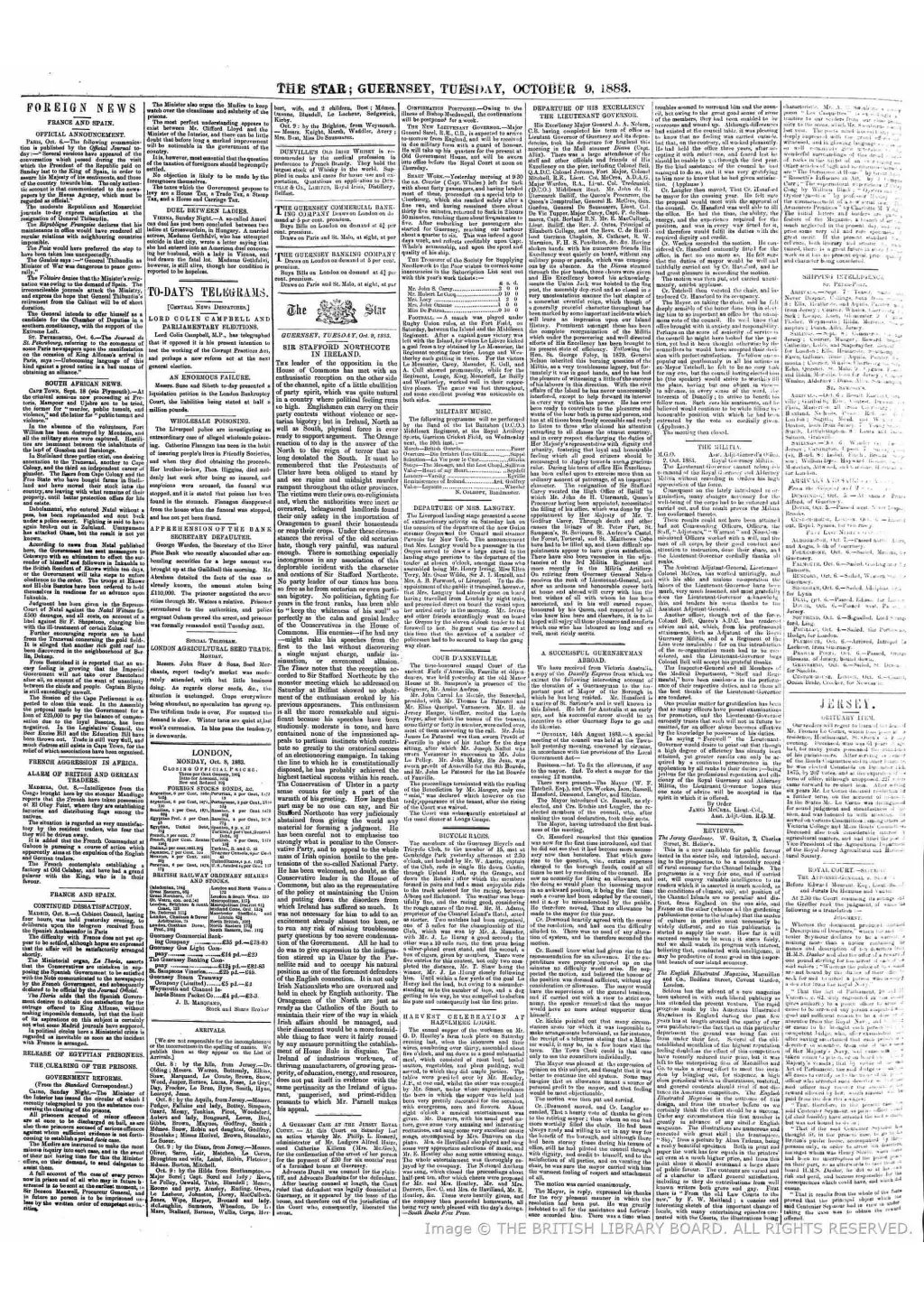
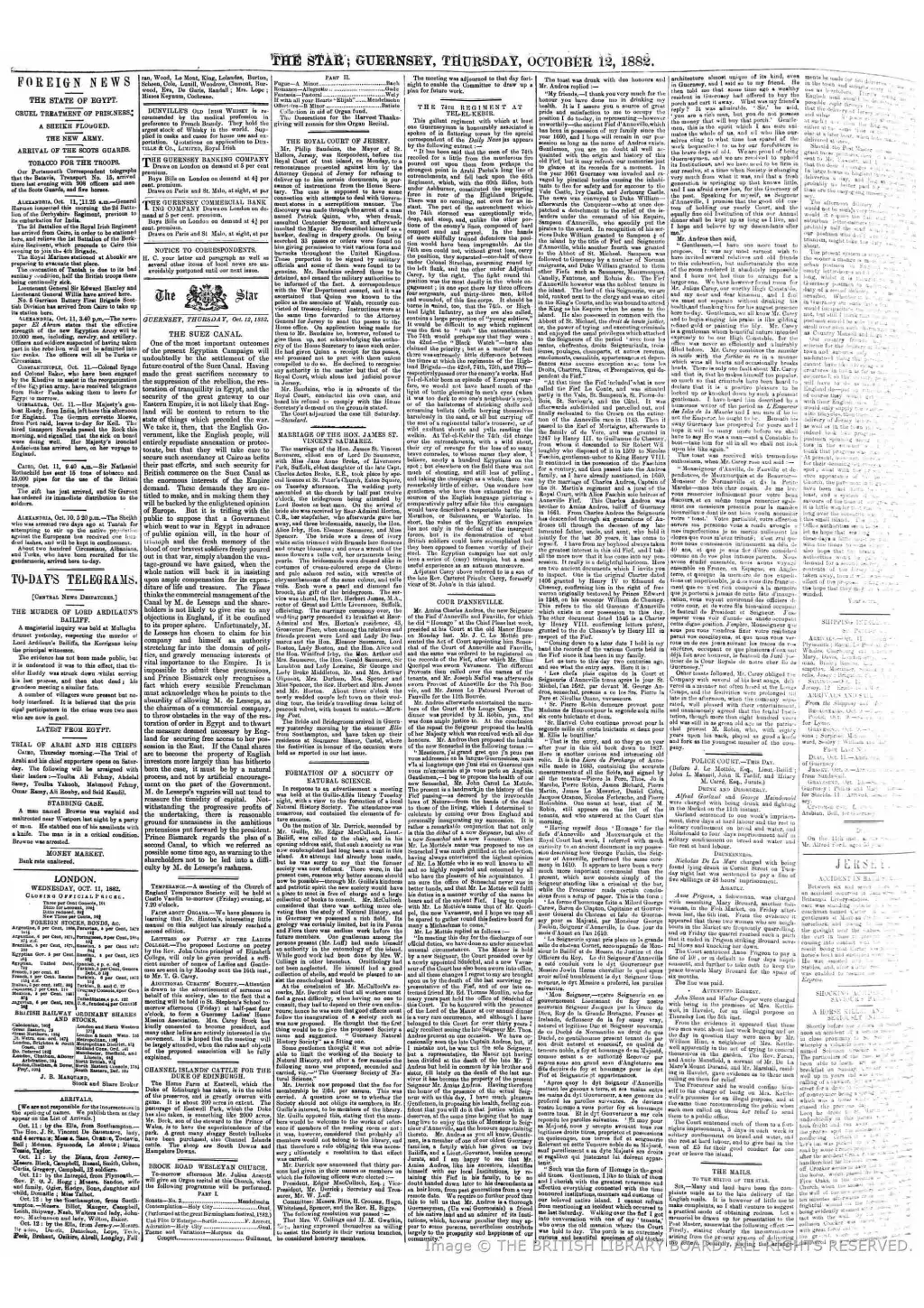
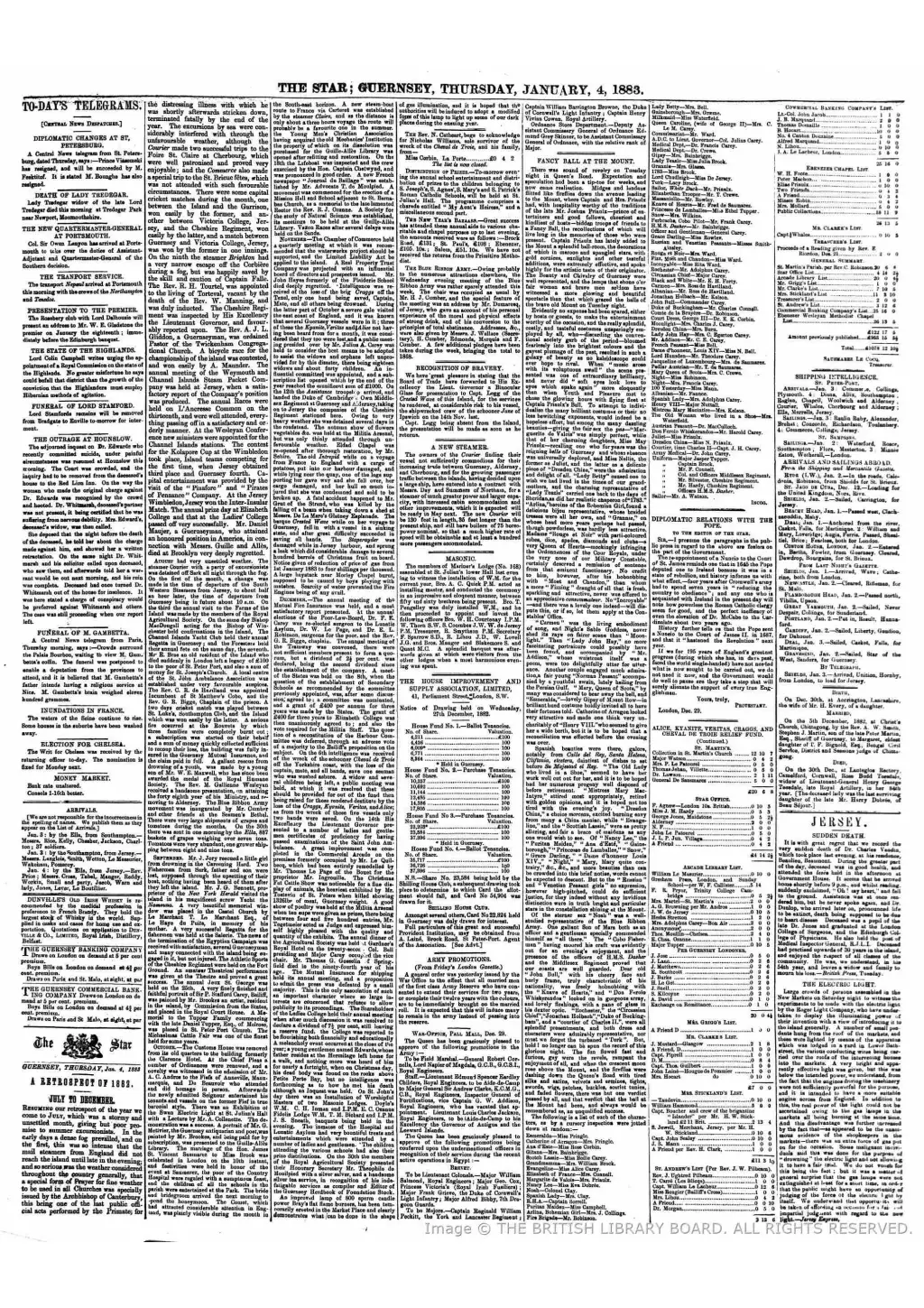
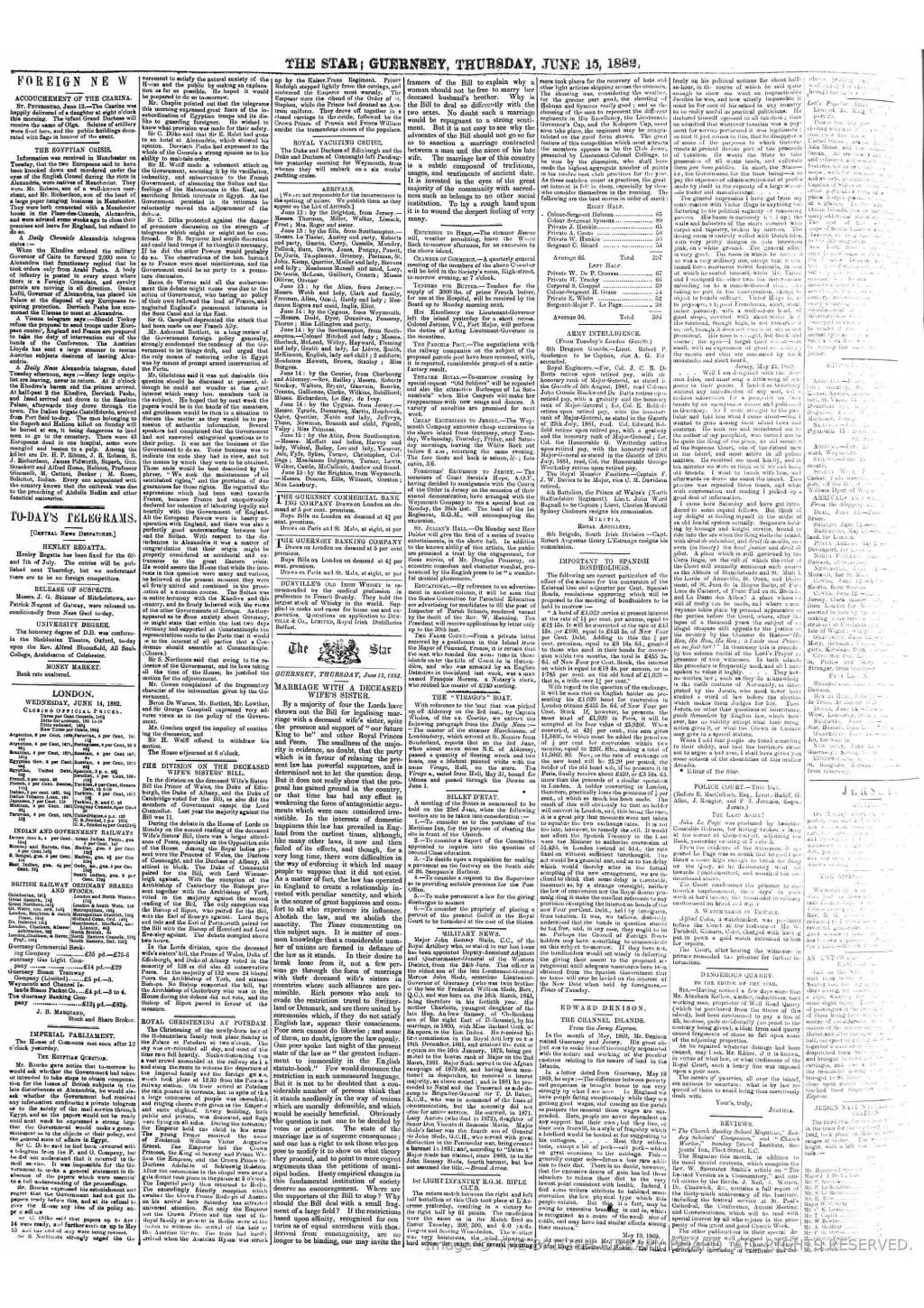
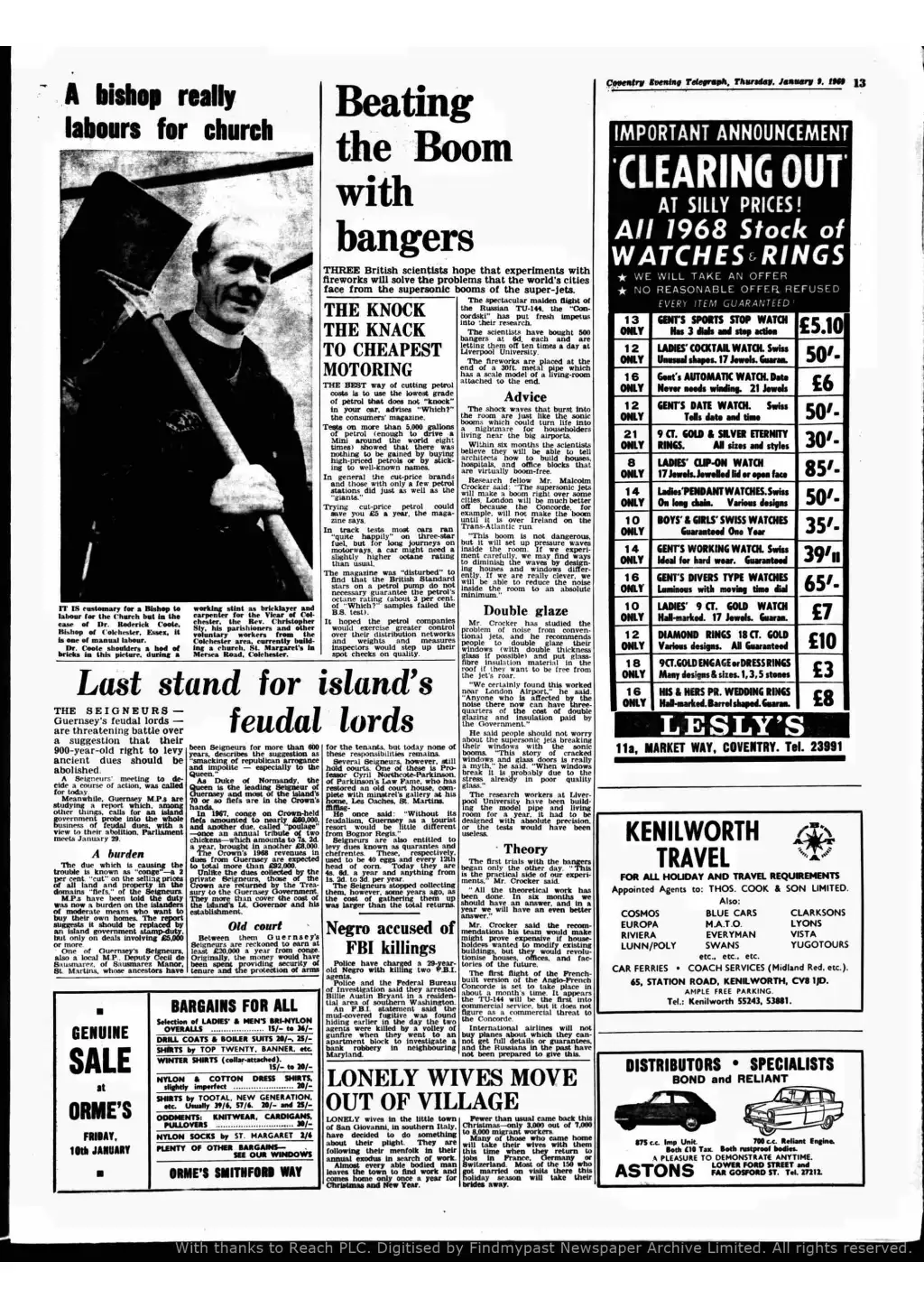
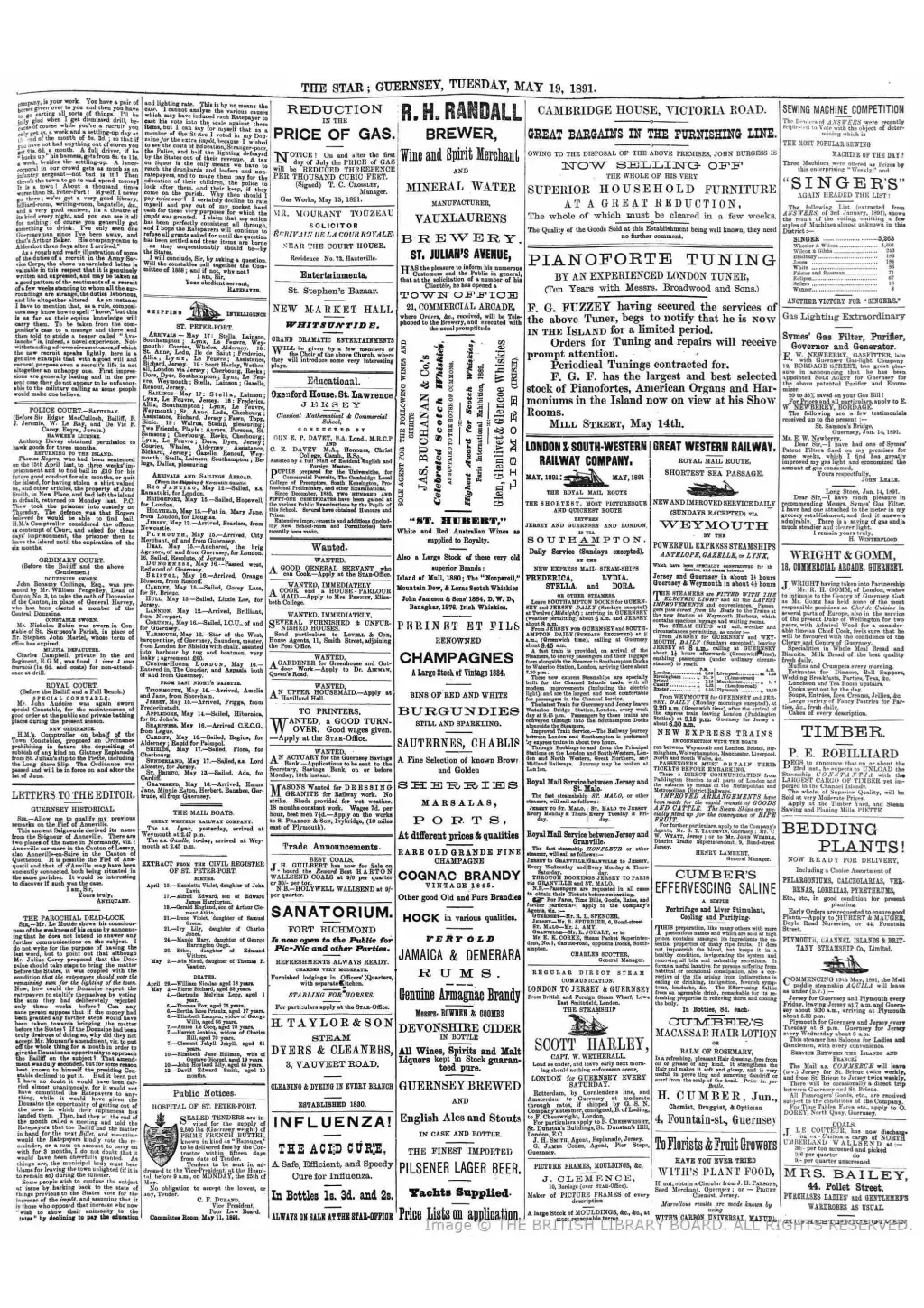
Newspaper cuttings, each dated and each enlarged so that it can be read in full, show how the public was told about Anneville: as an ancient place, as a jurisdiction, as a feature of the landscape, as a family memory and as a local curiosity. Each cutting is kept separate from later retellings of the story, so that the original reports can be distinguished from what was written afterwards.
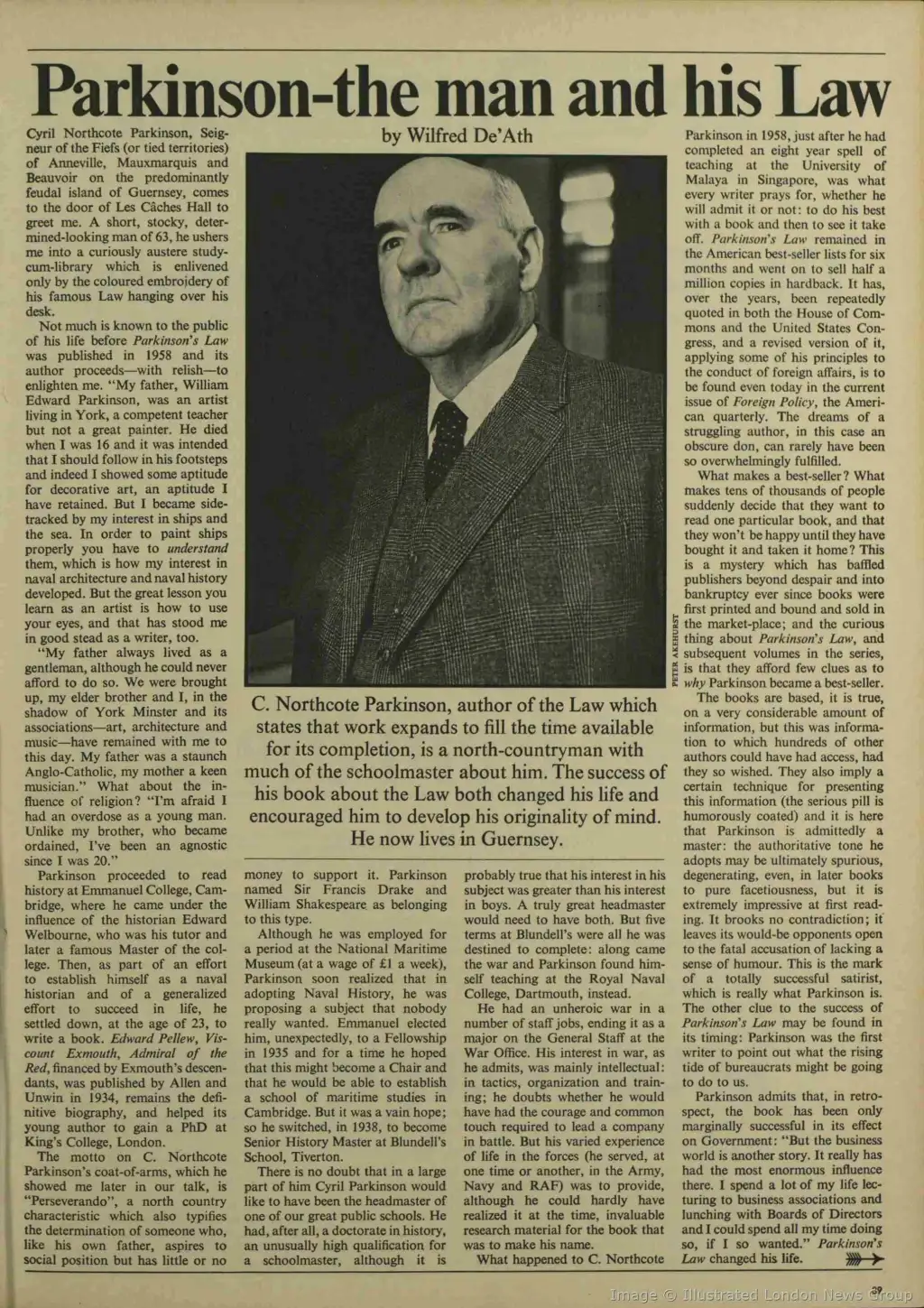
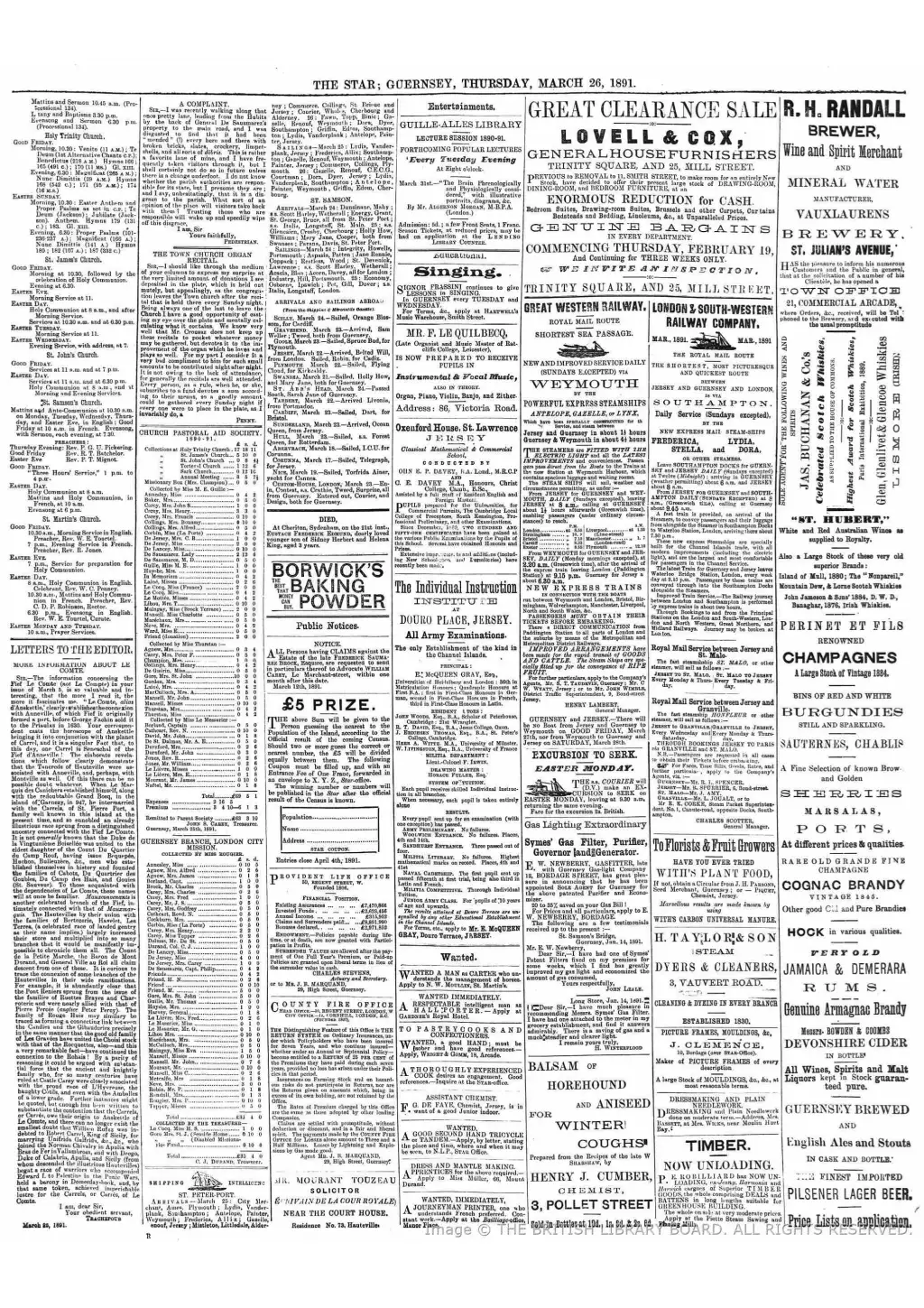
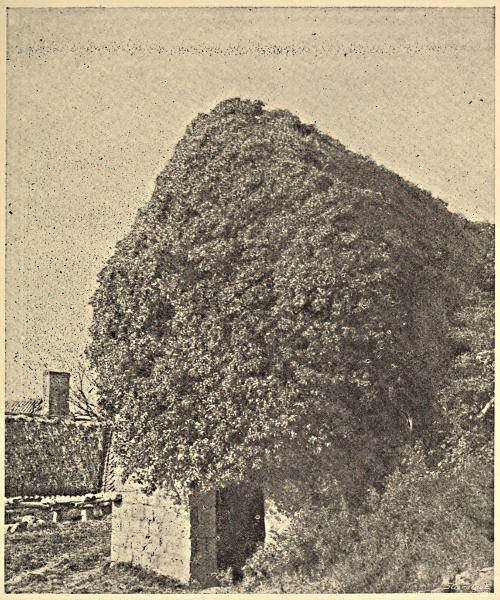
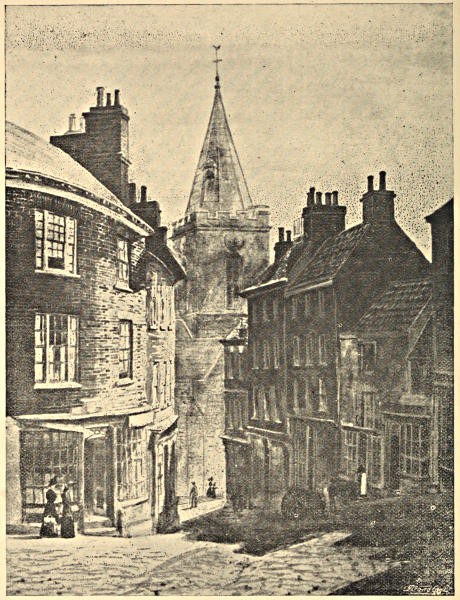
Photographs, engravings and written descriptions of the old Manor house and of the oratory show that the buildings themselves kept the Seigneurie visible to islanders. This remained true even though the fief (the land with its dues and rights, held from a superior lord and ultimately from the King) and the house went their separate ways in the property records, being owned at times by different people through different transactions.
In 1961 A. H. Ewen brought together and organised an enormous mass of data on the island's fiefs — the pieces of land held from a superior lord, and ultimately from the King, together with the dues, courts and rights attached to them. His work marks the change from antiquarianism to modern research. Looking at his book next to the original deeds shows what he took directly from the acts, what he added by his own interpretation, and which questions he left unanswered.
On 1 January 1874 the newspaper The Star printed an article called “The Garenne d’Anneville”. It presented the Garenne as an ancient place that deserved people’s attention.
From the 19th to the 20th century, newspapers and collections put together by people interested in old local history kept alive the memory of the Cour d’Anneville, the Garenne, the old Manor and the oratory.
Documents and reports record two later gatherings: a meeting of the Court of Chief Pleas — the solemn sessions of Guernsey’s Royal Court, the island’s court of justice, at which the Seigneurs, the holders of the fiefs, are called by name and must answer — held in 1883, and proceedings of the Cour d’Anneville held in 1913.
In 1961 A. H. Ewen published a careful, systematic study of the fiefs of Guernsey — pieces of land, with the rights and payments attached to them, held from a superior lord in return for loyalty and services. His book forms the bridge between the older, amateur study of antiquities and modern historical research.
The Star, Guernsey, Thursday 1 January 1874. Newspaper page from the press archive of the Seigneurie, published on lordofanneville.com.Image · lordofanneville.com · 960 years of historyThe Star, Guernsey, Tuesday 3 October 1882. Newspaper page from the press archive of the Seigneurie, published on lordofanneville.com.Image · lordofanneville.com · 960 years of historyThe Star, Guernsey, Thursday 12 October 1882. Newspaper page from the press archive of the Seigneurie, published on lordofanneville.com.Image · lordofanneville.com · 960 years of historyThe Star, Guernsey, Thursday 4 January 1883. Newspaper page from the press archive of the Seigneurie, published on lordofanneville.com.Image · lordofanneville.com · 960 years of historyThe Star, Guernsey, Tuesday 9 October 1883. Newspaper page from the press archive of the Seigneurie, published on lordofanneville.com.Image · lordofanneville.com · 960 years of historyThe Star, Guernsey, Saturday 8 October 1887. Newspaper page from the press archive of the Seigneurie, published on lordofanneville.com.Image · lordofanneville.com · 960 years of historyThe Star, Guernsey, Tuesday 11 October 1887. Newspaper page from the press archive of the Seigneurie, published on lordofanneville.com.Image · lordofanneville.com · 960 years of historyThe Star, Guernsey, Thursday 26 March 1891. Newspaper page from the press archive of the Seigneurie, published on lordofanneville.com.Image · lordofanneville.com · 960 years of history