Guernsey in this period
Contemporary Guernsey presents its constitutional identity through the Royal Court, Chief Pleas, heritage conservation and renewed public interest in Norman history.
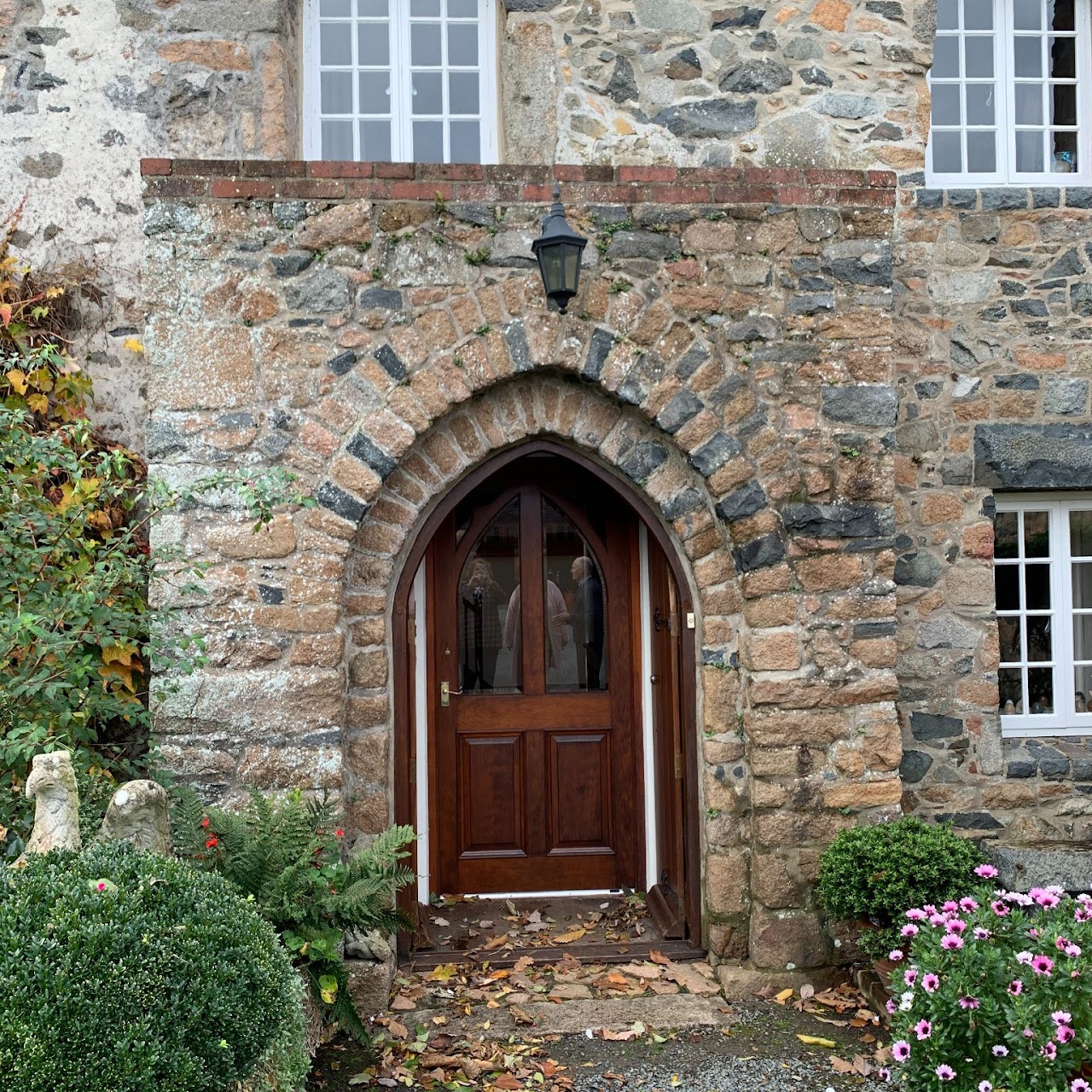
In Guernsey — the Channel island that still governs itself under the Crown — a medieval court still meets, and the lords of the old fiefs still answer when their names are called. The Court of Chief Pleas is an ancient session of the Royal Court, the island's principal court. Today it is largely ceremonial, but the fiefs — pieces of land whose holders owe loyalty and dues to a lord above them — are still called by name, and their Seigneurs, the lords who hold them, still answer. In Guernsey no land is without a lord: every field is held either of the Crown directly or of a fief. When the Court calls Anneville, it calls a relationship with the Crown that began under a Norman duke.
The relationship has a legal shape, and the Fief Le Comte shows it. Le Comte is a quarter of the island which, until the seventeenth century, was held under Anneville, and it was Anneville that answered for it. When George Fashion sold Le Comte to Peter Priaulx on 1 July 1630, the deed reserved the rights and dues owed from ancient times to the chief lord. Later deeds tried to sweep those rights away, including a renunciation taken from Thomas Fashion in 1630 which the appeals of the Andros family to the Privy Council — the sovereign's board of final appeal — said Priaulx had kept 'in the dark for many Years'. But dues are not lordship. A chief tenancy — the holding of land directly under the Crown as chief lord — cannot be sold, and no sale could take effect without the King's congé, his official permission, granted through the King's Receiver, the officer who collected the Crown's share: a thirteenth of the price. Other fiefs once held by the Seigneurs of Anneville, such as Maumarquis and Fantôme, were sold outright and now answer to the Court on their own account; Le Comte was not. In 1815 Berry could still describe the lordship as extending over 'about one-fourth of the Island'.
The duty itself was described in the Andros appeals of the early eighteenth century. The Seigneur must appear three times a year before the Chief Pleas and answer 'by the Title and Name of his Seigneury, viz. Seigneur d'Anneville'. The roll call gives him no power to govern that quarter of the island; it records a precedence the island has never ceased to acknowledge.
In 1964 the institution received a famous recruit. Cyril Northcote Parkinson, the historian who had explained to the world that 'work expands so as to fill the time available for its completion', acquired the fief from Sydney Relph Andros, a member of the family that had held and defended the seigneury. He bought the Manor House separately in 1968 for £8,000, lived there fifteen years, and held the fief until 1987. He treated the seigneury with learned humour — the newspapers enjoyed the story that he thought of paying the old poulage, a due payable in poultry, in real chickens. But he exercised it in earnest: a conveyance records the congé granted by 'Cyril Northcote Parkinson écuyer, Seigneur du dit Fief Anneville', which is not the signature of a man who thought the whole thing a joke.
Since 2022 the Seigneur has been Dr Marco Paret, who rendered homage to King Charles III in 2024 — homage being the formal act of acknowledging the superior lord. He has begun the reconstruction of the seigneury's archive, from the thirteenth century to the present day, and the museum you are visiting is its public expression. The roll call continues, and someone still answers.
About these lines: a narrative reconstruction written in the manner of C. Northcote Parkinson (1909–1993), Seigneur of the Fief d'Anneville from 1964 to 1987, historian, and author of the novels of Richard Delancey, a Guernsey sailor. Parkinson did not write them and they are not a historical source. They invent no characters and no speeches: every fact comes from the room above, and words in quotation marks are quoted from the documents cited there.
 Arms associated with Anneville: ermine, a fess gules
In Guernsey the feudal order still meets. The Court of Chief Pleas, an ancient session of the Royal Court, is today largely ceremonial, but the fiefs are still called by name and their Seigneurs still answer. In Guernsey no land is without a lord: it is held either of the Crown or of a fief. Until the seventeenth century the Fief Le Comte, the quarter of the island that the Extente of 1248 calls the terre du Comte, was held under Anneville, and it was Anneville that answered for it before the Court. When George Fashion sold Le Comte to Peter Priaulx on 1 July 1630, the deed called it "a Member of the said Seigneury, for which no Homage nor Relief is due to his Majesty", and excepted "les Droits & redevances deus d'ancienneté à Chef Seigneur". Later deeds tried to sweep those rights away: a renunciation extracted from Thomas Fashion in October 1630, which the Andros appeal calls "unexemplified" and says Priaulx "concealed it and kept it in the dark for many Years", and a so-called Deed of Confirmation of 1672. But dues are not lordship, for two reasons the Andros appeals set out. A chief tenancy cannot be sold: a deed that turned it round "made the Fief Dominant held from the Crown in chief, Vassal and subject to the Fief Servant", against "the Prerogatives of the Crown". And no sale could take effect without the King: as the appeal quotes the island's law, "Nul ne doit acheter aucune terre ou rente sans le congé du Gouverneur ou Receveur de sa Majesté", and the thirteenth of the price was due to the King's Receiver, a payment the 1672 deed concealed. Anneville remained the superior tenure, and Anneville went on answering. Other fiefs once held by the Seigneurs of Anneville, such as Maumarquis and Fantôme, were sold outright and now answer to the Court on their own account; Le Comte was not, and its quarter is still answered for by Anneville. In 1815 Berry could still describe the lordship as extending over "about one-fourth of the Island". The Andros appeal described the duty itself: the owner of the seigneury "is now obliged to appear in a solemn Court, called his Majesty's Court of Chief Pleas, which is held three times in the Year, … to answer when called in Court by the Title and Name of his Seigneury, viz. Seigneur d'Anneville, alias Syr D'Anneville". When the Court of Chief Pleas calls Anneville today, it calls that overlordship. The roll call gives its Seigneur no government of that quarter; it records a precedence the island has never ceased to acknowledge. A relationship with the Crown that began under a Norman duke is now expressed in a summons and a roll call.
In 1964 this institution received a famous recruit. Cyril Northcote Parkinson, the historian who had explained to the world why work expands to fill the time available for its completion, acquired the Fief d'Anneville from Sydney Relph Andros. In 1968 he bought the Manor House separately, for £8,000, a price that included the redemption of a wheat rente of 392 quarters, and he lived there fifteen years before selling it in 1983. He held the fief until 1987.
He treated the seigneurie with learned humour; the newspapers enjoyed the story that he thought of paying the old poulage in real chickens. But he exercised it in earnest. A conveyance records the congé granted by "Cyril Northcote Parkinson écuyer, Seigneur du dit Fief Anneville", which freed the sale from the treizième.
Nearly four decades after Parkinson, the present Seigneur, Dr Marco Paret, Seigneur since 2022, who rendered homage to King Charles III in 2024, has opened a new phase: the reconstruction of the seigneurie's historical archive, from the thirteenth-century records to the present day. The museum you have visited is the public expression of that archive.
Court of Chief Pleas (States of Guernsey, Billet d'État II, 2009); délaissance of 29 December 1964; conveyance of 30 July 1968; congé granted by C. Northcote Parkinson; conveyance of 21 June 2022; homage of 16 July 2024.The Court of Chief Pleas is called in French Chefs Plaids, the chief pleas: the sittings at which those who hold land of a lord must appear. In Guernsey the Seigneurs answer there to the Crown, as their predecessors answered to the Dukes of Normandy. Anneville's own court uses the same name for its autumn sittings, the Chefs Plaids Capitaux (Room 15).
Contemporary Guernsey presents its constitutional identity through the Royal Court, Chief Pleas, heritage conservation and renewed public interest in Norman history.
Anneville demonstrates that Guernsey’s Norman inheritance is living rather than archaeological. Chief Pleas, surviving titles, documents and the digital museum provide the island with material for education, cultural diplomacy, heritage tourism and participation in the Norman year 2027.
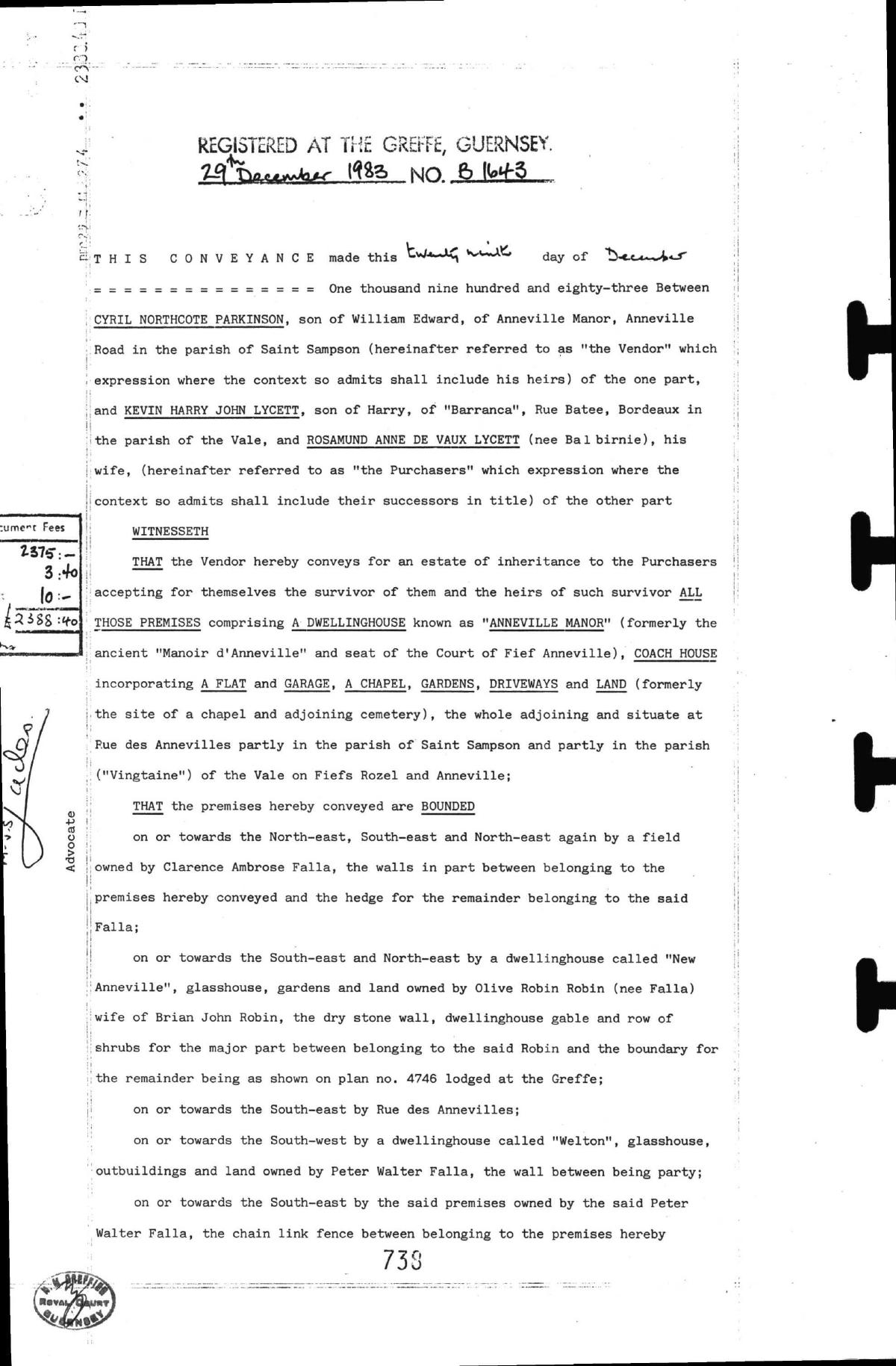
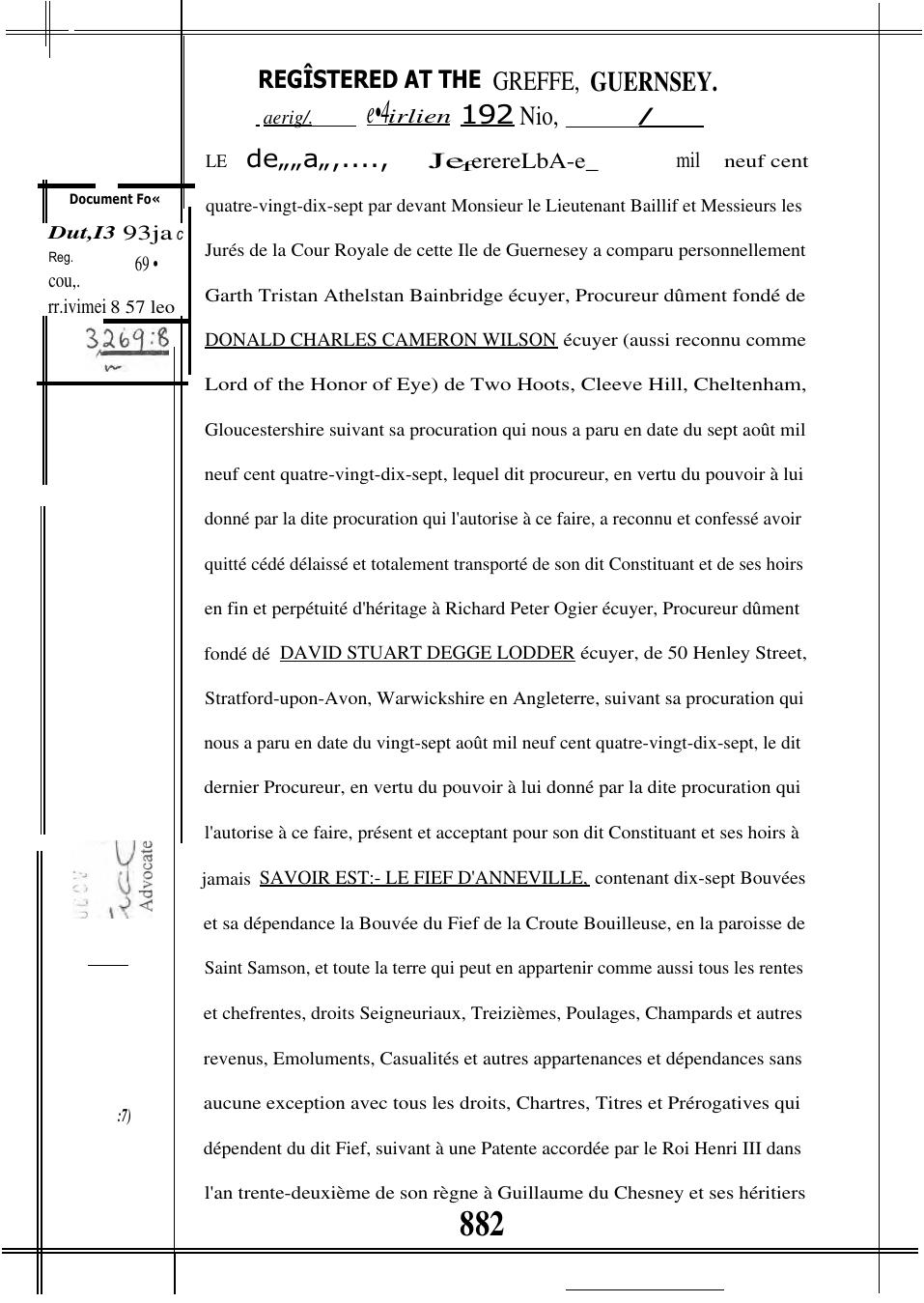
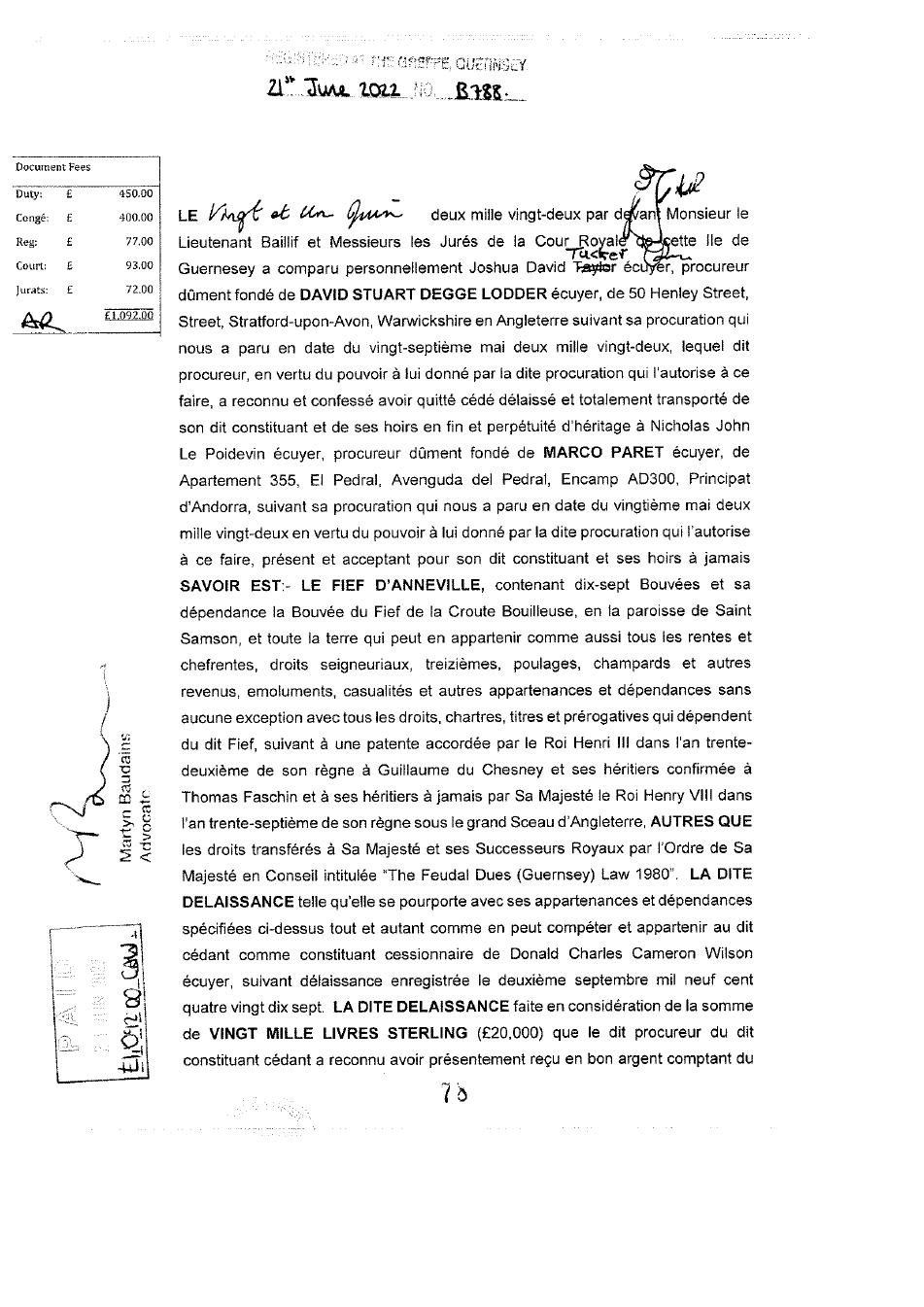
After Parkinson acquired the fief, he separately acquired the old Manor of Anneville in 1968. A fief is a piece of land together with the rights attached to it — such as dues paid by tenants, a court, mills and hunting rights — held from a superior lord in return for loyalty and services; a Seigneur is the person who holds it. The two properties then followed separate paths. Parkinson conveyed the Manor property to Kevin and Rosamund Lycett in December 1983. The fief itself passed on separately: a later deed records that Parkinson handed it to Donald Wilson in 1987, that Wilson handed it to David Lodder in 1997, and that Lodder handed it to Marco Paret in 2022. The deeds of 1997 and 2022 describe the fief as seventeen bouvées — a bouvée being an old local measure of land — plus Croute Bouilleuse, but they do not present that land measure as the whole of the old historical jurisdiction. Modern documents of the Chief Pleas — the solemn sessions of the Royal Court, Guernsey's own court, at which the Seigneurs of the fiefs are called by name and must answer — show the present-day context of the suit of court, the Seigneur's duty to appear there. A 2024 notification records the protocol for a special homage ceremony, the formal promise of loyalty, held during the King's visit. The story therefore shows continuity without claiming that the Manor House and the fief remained one single property.
There are two separate lines of ownership. One line follows the title to the fief — the land and its rights held from a superior lord. The other follows the Manor House as an ordinary piece of property. Parkinson, who had acquired both, briefly held the two together. But in December 1983 he conveyed the Manor to Kevin and Rosamund Lycett, while the fief itself went on separately: Parkinson passed it to Donald Wilson in 1987, Wilson passed it to David Lodder in 1997, and Lodder passed it to Marco Paret in 2022.
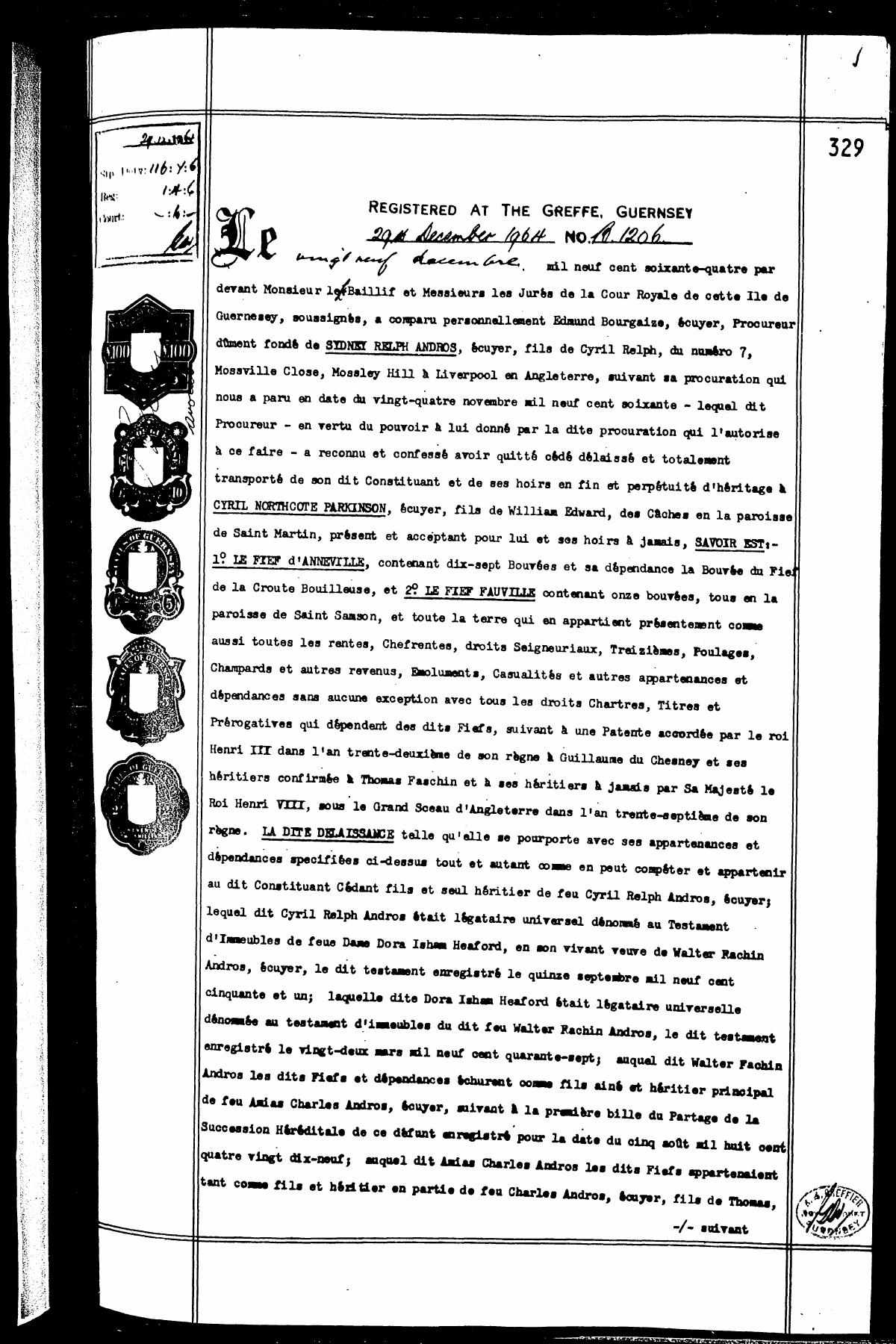
Parkinson acquired the fief and later, in 1968, the old Manor of Anneville. He thus held two positions at once: he was the writer known for Parkinson's Law, and he was also the Seigneur — the lord of the fief. He was also the custodian of a seigneurial archive, the old papers of the fief, which the deed by which he received the fief required him to take over from the previous holder.
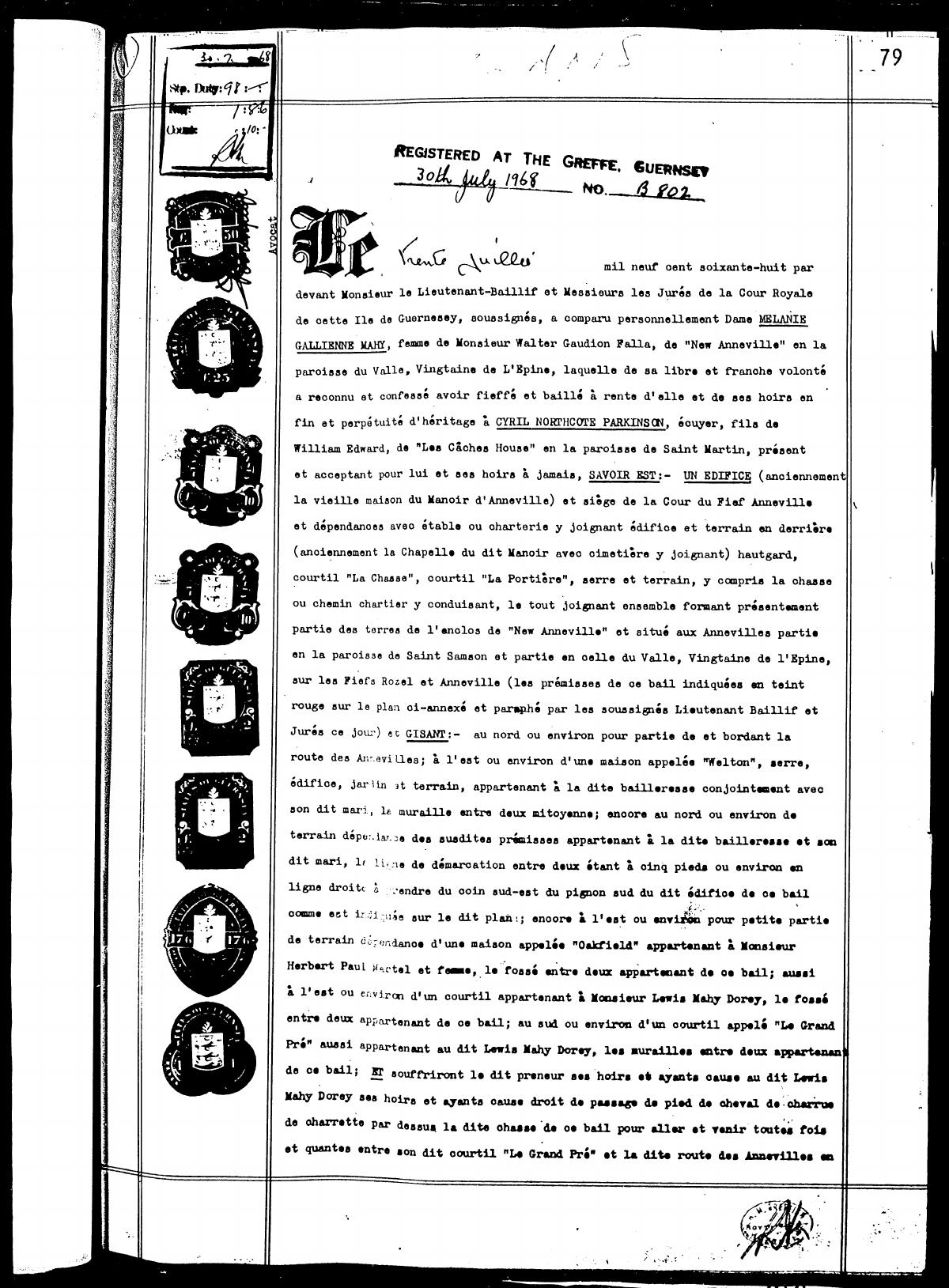
The deeds of 1997, when David Lodder received the fief, and of 2022, when Marco Paret received it, both cite the Feudal Dues Law of 1980. They continue to describe the fief, its land measured in bouvées — an old local measure of land — and the old title deeds. What the law of 1980 dealt with is kept apart from what the deeds continued to pass on from one holder to the next: the fief itself, with its bouvées and its titles.
Chief Pleas are the solemn sessions of the Royal Court — Guernsey's own court, presided over by the Bailiff, the island's chief magistrate, with the Jurats, the island's judges — at which the Seigneurs of the fiefs are called by name and must answer. A letter, an order of procedure and a protocol for the homage ceremony — the formal promise of loyalty — show how this duty is still carried out today, through written acts, invitations, set formulas and the Seigneur's ceremonial presence. Together these documents show that the old institution is still alive.
Even the deed of 2022, by which Marco Paret received the fief, recalls the Livres de Perchage — the books recording a survey that listed every plot of land in the fief, its tenant and what he owed — together with the title deeds and other writings. Handing on the fief therefore also means handing on the keeping of its papers: what is transmitted must be listed, digitised and made available for consultation, with a record of where each document came from and what rights attach to it.
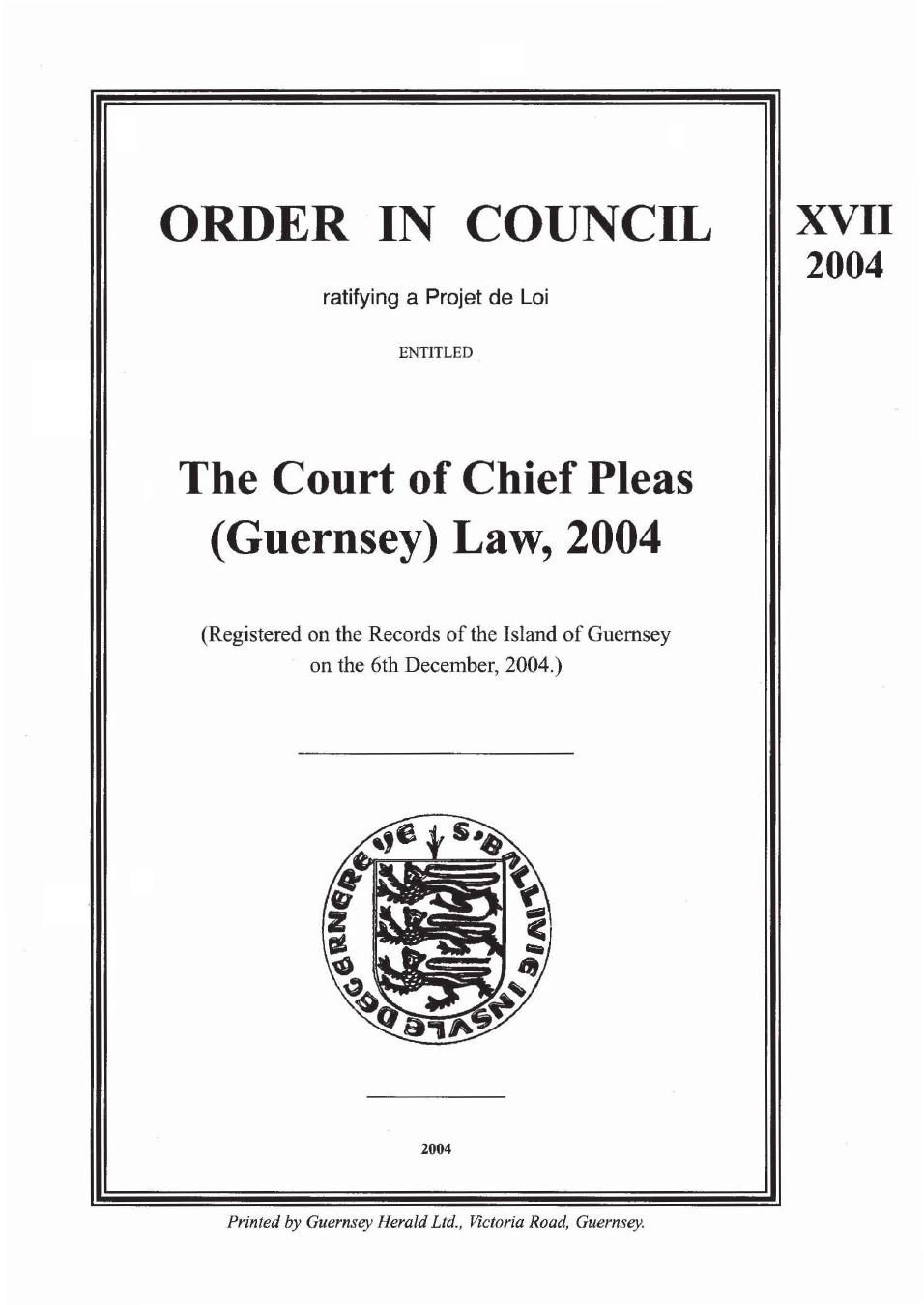
The modern documents show why the holder of a fief noble must still appear at Chief Pleas, the court sessions at which Seigneurs are called by name and must answer. They show the suit of court — the Seigneur's duty to appear — as a legal duty laid down by statute, the written law. They do not, and are not meant to, settle broader historical questions about how much political power the Seigneurs once had.
On 30 July 1968 Melanie Gallienne Falla sold the old Manor of Anneville, together with the buildings that went with it, to Cyril Northcote Parkinson for £8,000. A fief is a piece of land together with the rights attached to it, held from a superior lord in return for loyalty and services, and it could be sold and bought like property.
In December 1983 Parkinson sold Anneville Manor on to Kevin and Rosamund Lycett for £95,000. The deed describes it as the former Manoir d'Anneville, the seat of the Court of Fief Anneville — that is, the house where the fief's own court used to meet.
A deed of 1997 records that Donald Wilson had already bought the Fief d'Anneville from Parkinson under a conveyance registered on 10 September 1987.
In September 1997 Donald Wilson sold the Fief d'Anneville to David Lodder for £92,880. The deed describes the fief as seventeen bouvées, together with the dependent bouvée of Croute Bouilleuse.
On 21 June 2022 David Lodder sold the Fief d'Anneville to Marco Paret for £20,000. The deed leaves out the rights that had already been handed over to the Crown — the King's government, to whom all fiefs ultimately belonged — under the Feudal Dues (Guernsey) Law, 1980.
The 2022 deed of sale also contains an obligation: when required, the holder of the fief must hand over the Livres de Perchage, the titles and the writings concerning the fief. A Livre de Perchage is a survey book listing every plot of land in a fief, its tenant and what he owed. So Marco Paret, as the new holder, must deliver these documents when the Seigneur or the Court asks for them.
A letter dated 27 September 2022 and the Order of Procedure for 3 October 2022 show that Marco Paret took part in the autumn ceremony and procession of the Court of Chief Pleas. Chief Pleas are the solemn sessions of Guernsey's Royal Court at which the Seigneurs — the lords of the fiefs — are called by name and must answer.
The Court of Chief Pleas (Guernsey) Law, 2004 lists Anneville among the fiefs nobles — the noble fiefs — whose holders owe suit of court, meaning they must attend and answer when called at these sessions.
The Feudal Dues (Guernsey) Law, 1980 modernised the money payments attached to the fiefs, but it kept the titles of Seigneur — the lord of a fief — and Dame. It did not abolish every seigneurial or constitutional feature of the fiefs.
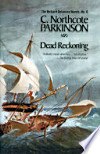
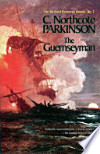
In C. Northcote Parkinson’s naval novels, Richard Delancey is presented as Seigneur d’Anneville and the Manor becomes a place of return, family and restoration. The literary case includes The Guernseyman, Devil to Pay, Dead Reckoning and So Near, So Far: cultural reception, not historical evidence.
The final room brings together Chief Pleas, conveyances, archive, maps and public memory. Blanchelande suggests showing court officers and practices too; the museum precisely marks what is documented for Anneville, what is reconstructed and what belongs to contemporary programming.
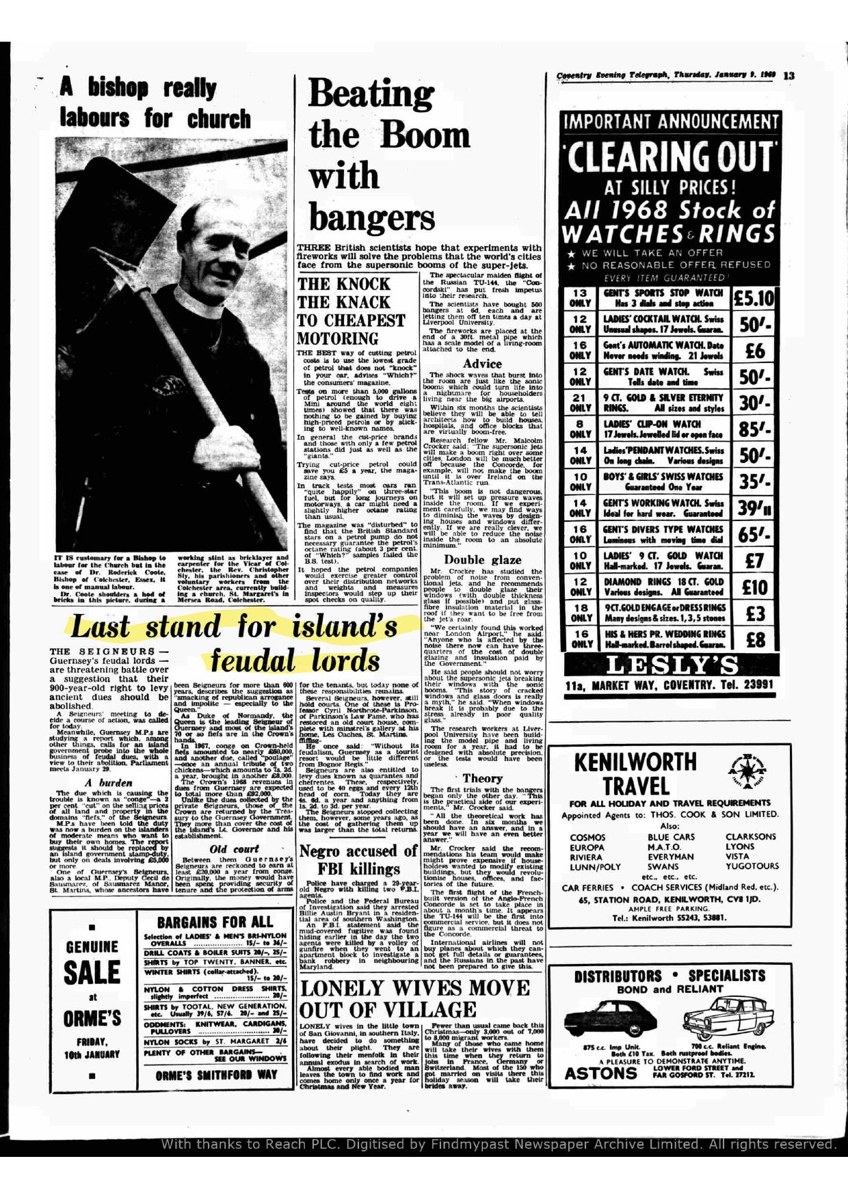
A 1973 profile described Parkinson’s Law as an international bestseller, quoted in the House of Commons and the United States Congress, and noted his influence on business leaders around the world. In Guernsey he used the same wit to animate feudal survivals: a newspaper anecdote records his proposal to satisfy the poulage literally by sending chickens.
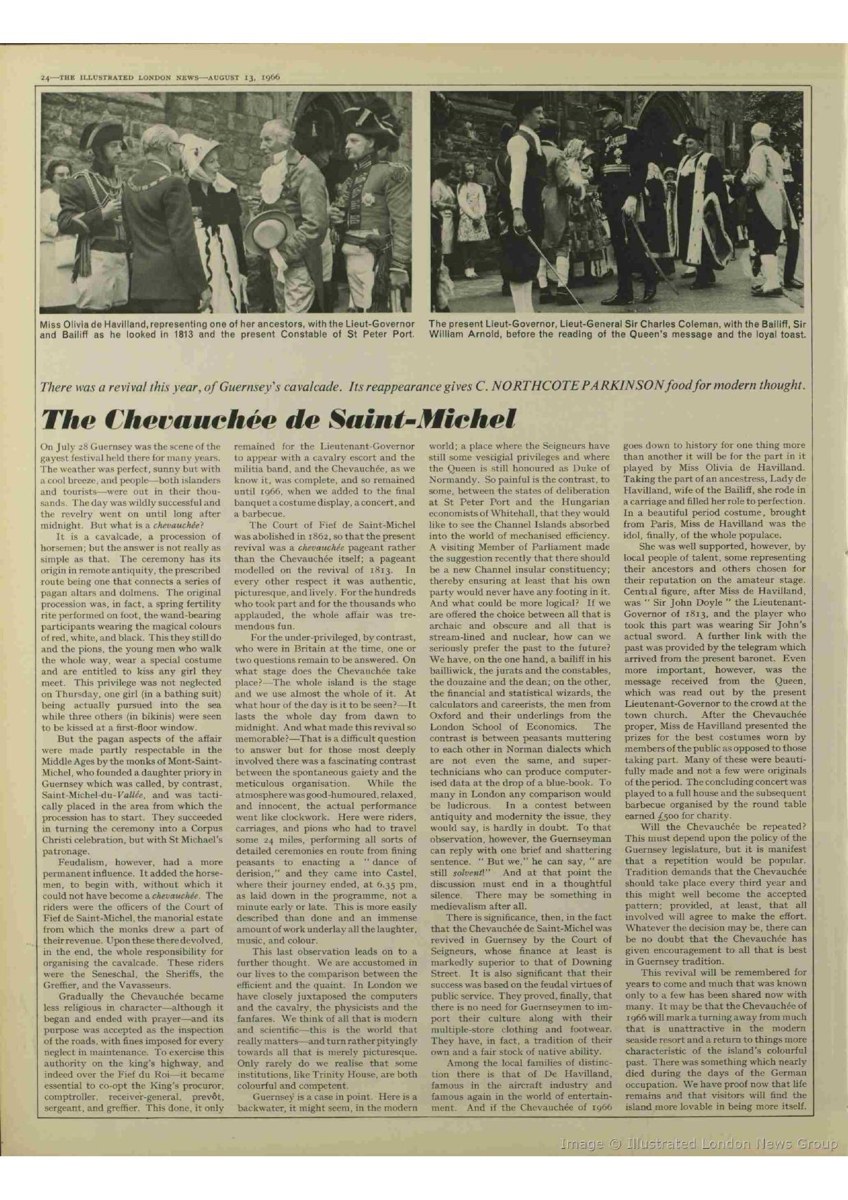
Arms associated with Anneville: ermine, a fess gules.Image · Museum rendering · project research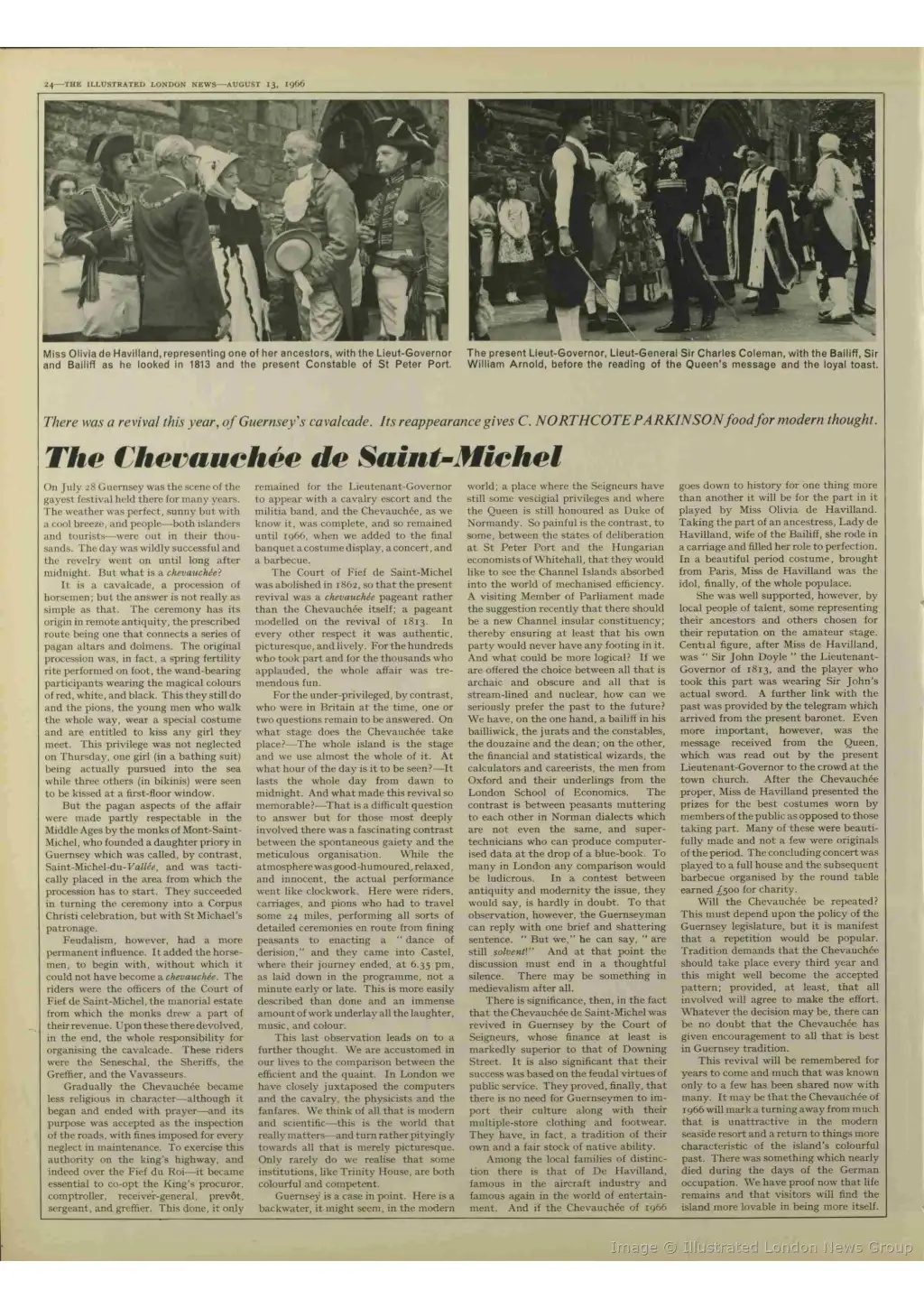 “The Chevauchée de Saint-Michel”: C. Northcote Parkinson on the revival of the ancient island procession, The Illustrated London News, 13 August 1966.Image · lordofanneville.com · 960 years of historyThe Norman arched doorway of the Manor House of Anneville.Image · lordofanneville.com · Our territory in Guernsey
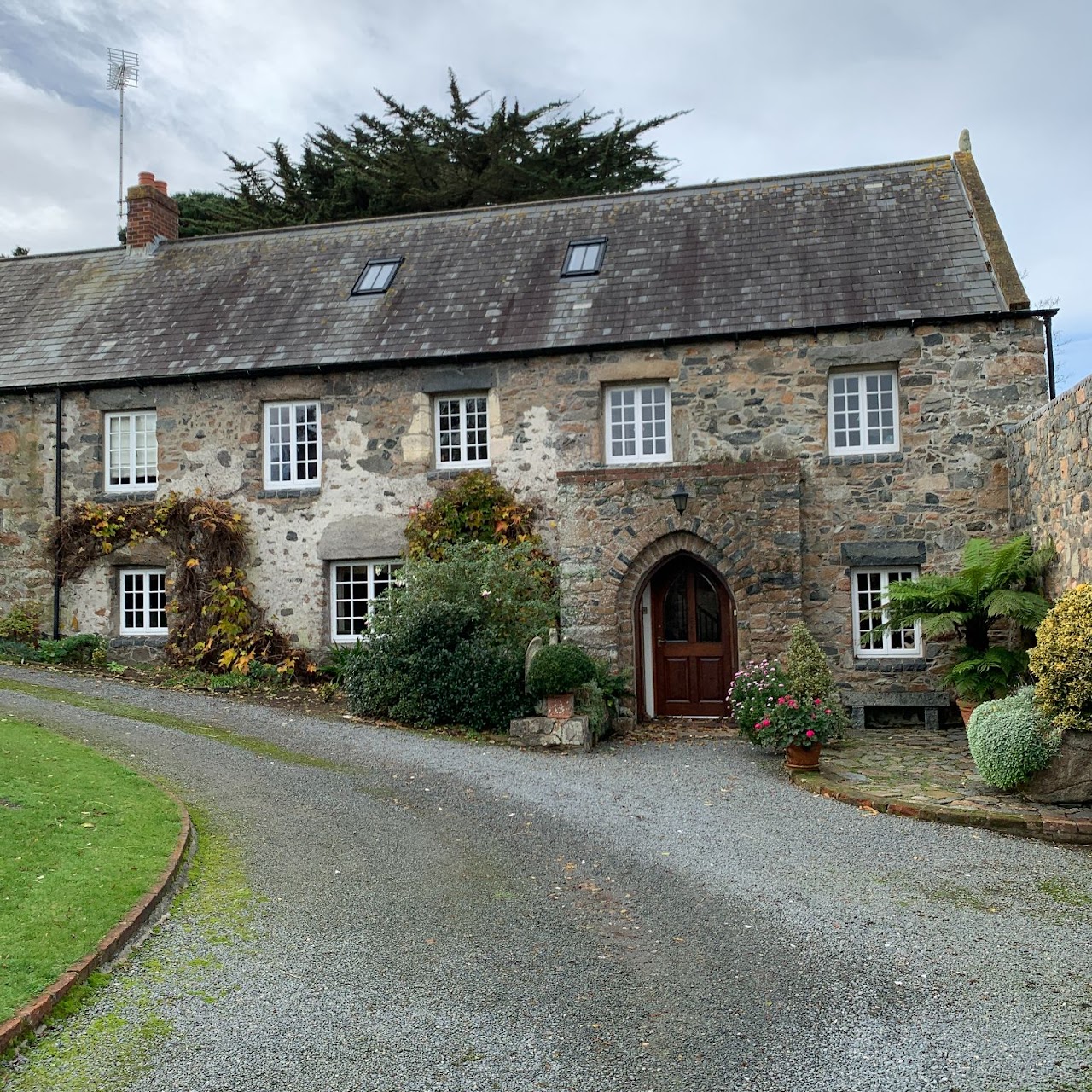 The Manor House of Anneville, seat of the Court of Anneville.Image · lordofanneville.com · Our territory in GuernseyCourt of Chief Pleasdocumentmodern edition · Open document
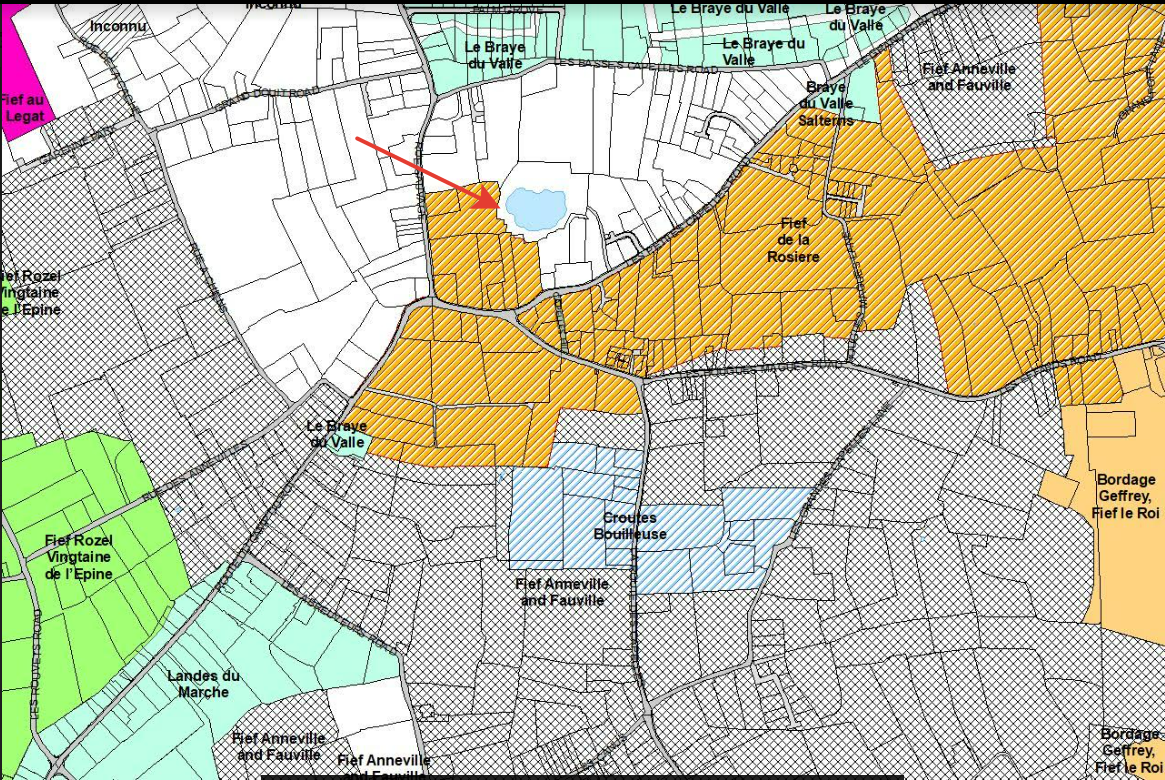
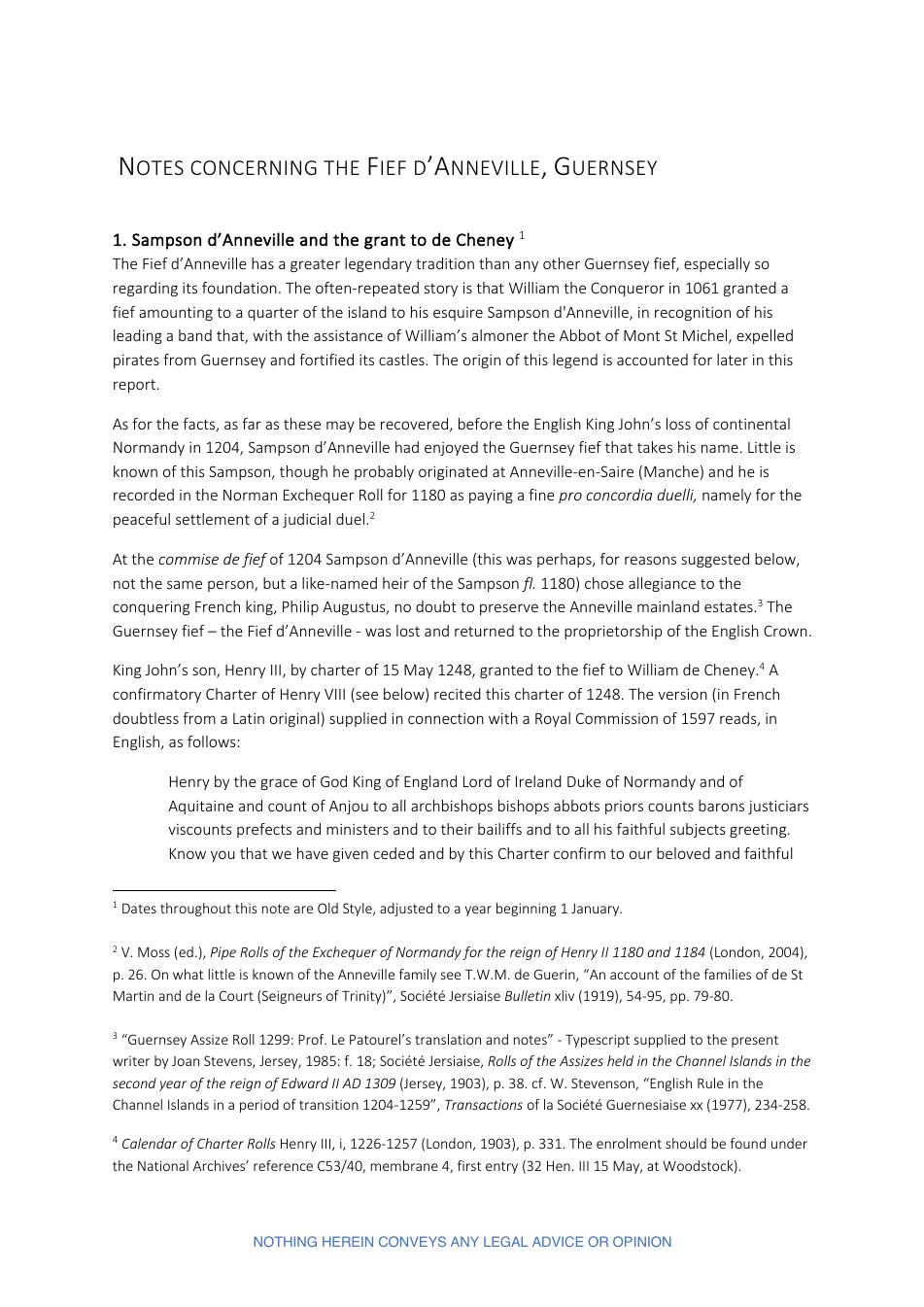 Ogier dossier on Annevilledocumentmodern research · Open documentConveyance Lodder to Paretdocument21 June 2022 · Open documentConveyance Wilson to Lodderdocument2 September 1997 · Open documentAnneville cadastral mapterritorymodern Cadastre · Open documentCurrent registered territorial representation
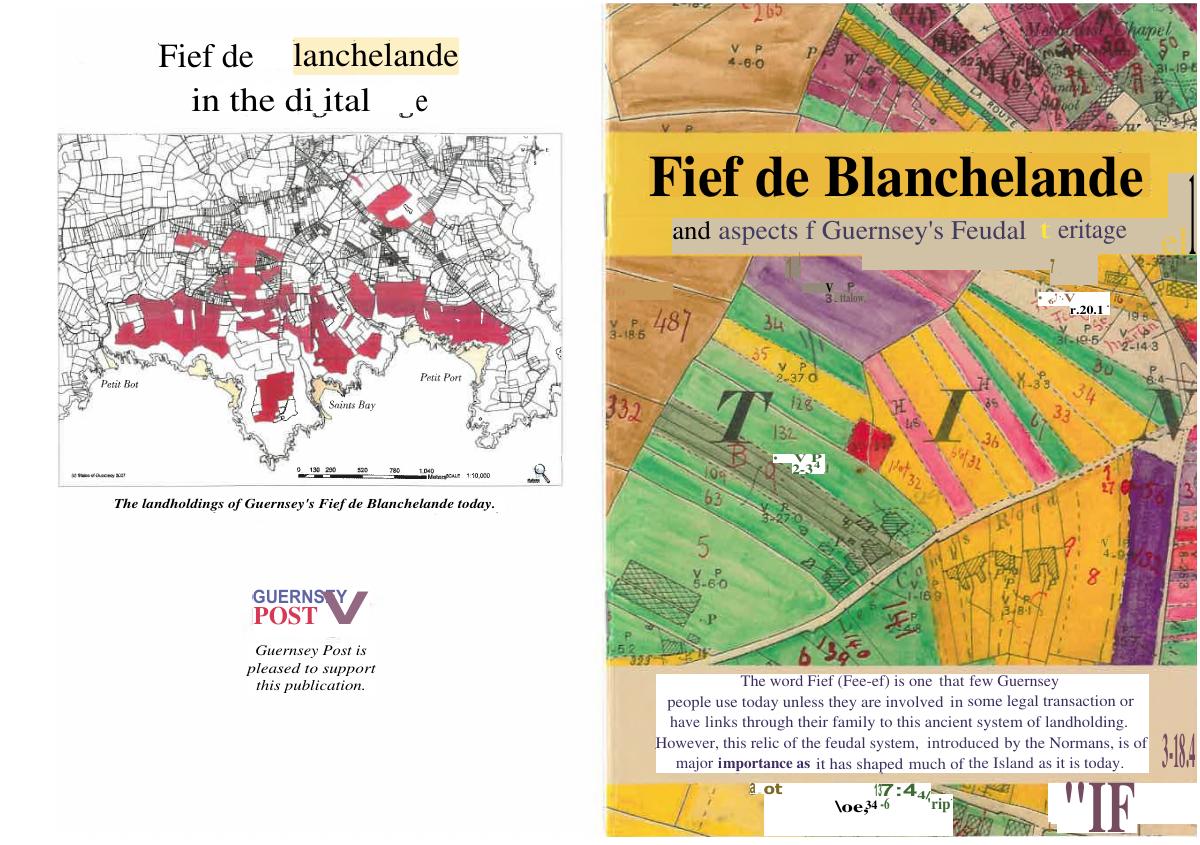 Fief de Blanchelande: comparative living-fief studycomparative2012 publication · Open documentComparative model only: its practices are not automatically attributed to AnnevilleConveyance from Sidney Ralph Andros to C. Northcote Parkinsonconveyanceregistered 29 December 1966; file tradition 1964 · Open documentOperative transfer of the fiefs and archive; the 1964/1966 date discrepancy remains visible.Manor conveyance from Melanie Falla to C. Northcote Parkinsonmanor-property30 July 1968 · Open documentSeparate acquisition of the Manor property; not the fief transfer.Anneville Manor conveyance from Parkinson to the Lycettsmanor-propertyDecember 1983 · Open documentSeparate sale of the Manor property; confirms that Manor and fief follow different chains.
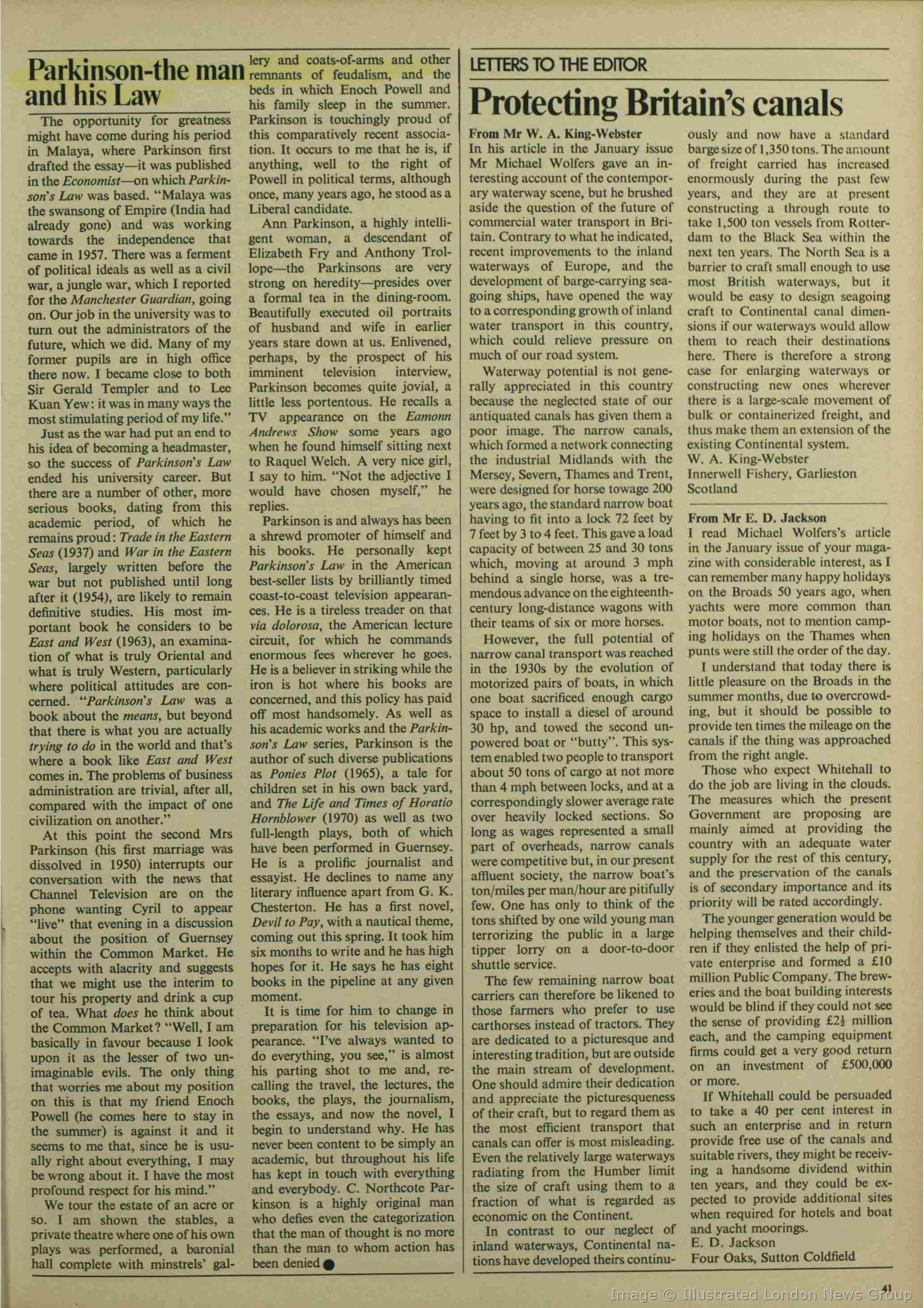 C. Northcote Parkinson — international profilebiographical profile1 March 1973 · Open documentInternational reputation, writing and life in Guernsey